Our few weeks in England are a mix of family, history and bluebell hunting – over two decades have passed since I last saw the Spring spectacle of masses of small flowers growing together and forming a literal carpet of vivid blue in woodland shade. This is the first time we’ve been back at the correct time of year and I’m hopeful my hunting will yield prey.
Spending time with our families is, of course, lovely. Neil’s parents are in their eighties so our meetings can’t involve anything strenuous, and we spend a lot of time chatting and eating. Mine are three generations, the youngest small children, so any chatting has to be done around their interruptions, and eating can’t be where we have to sit at a table for too long! Thankfully the weather is mostly kind, allowing us to be outside where they can run around. A few very pleasant afternoons are spent playing cricket, watching hot-air balloons and enjoying local fairs. The children all adore their Uncle Neil and are probably quite glad to see me too, but we’re happy to leave them to their chief carers at the end of the day and head to a child-free environment for a relaxing glass of wine.
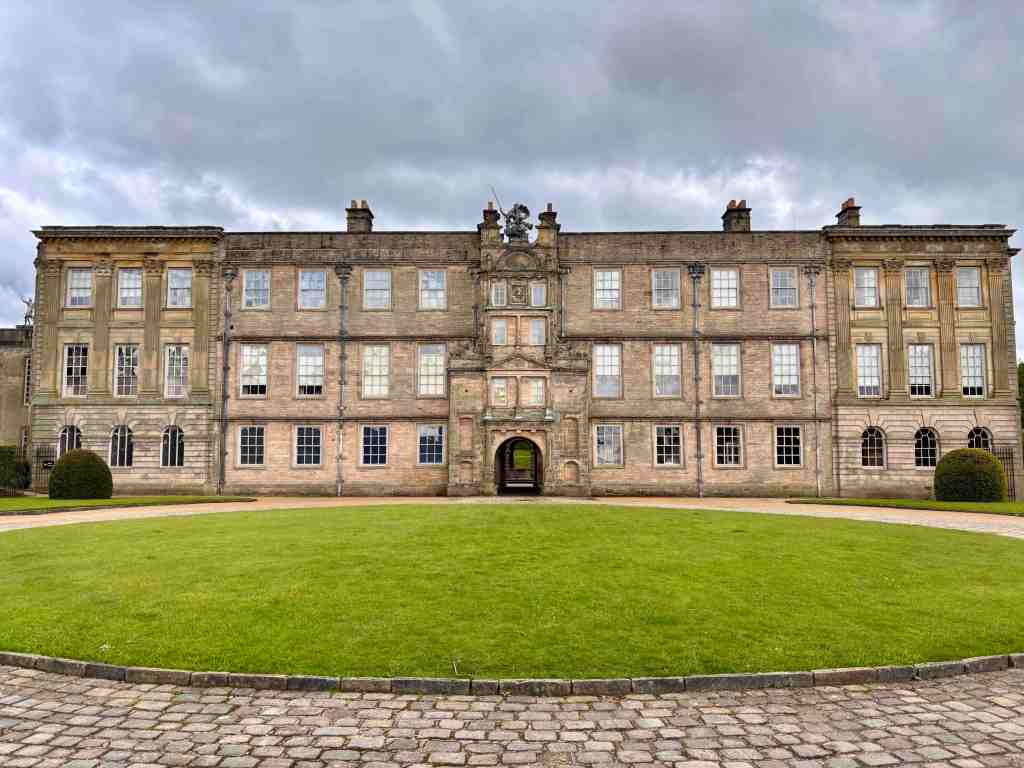
Living in a country with hardly any, I need to get my history fix while I’m in ‘the old country’. My ancestors would more likely have been found in a mill like Quarry Bank than a stately home like Lyme Park, but I still like a nosey around a big house. We haven’t been around the house at Lyme before, although we’ve walked its grounds a few times with a friend, paths and tracks that go for miles and range from formal gardens through extensive highland-cattle-strewn parkland to woodlands. It’s all very beautiful, views of Manchester and its satellite towns in the distance.
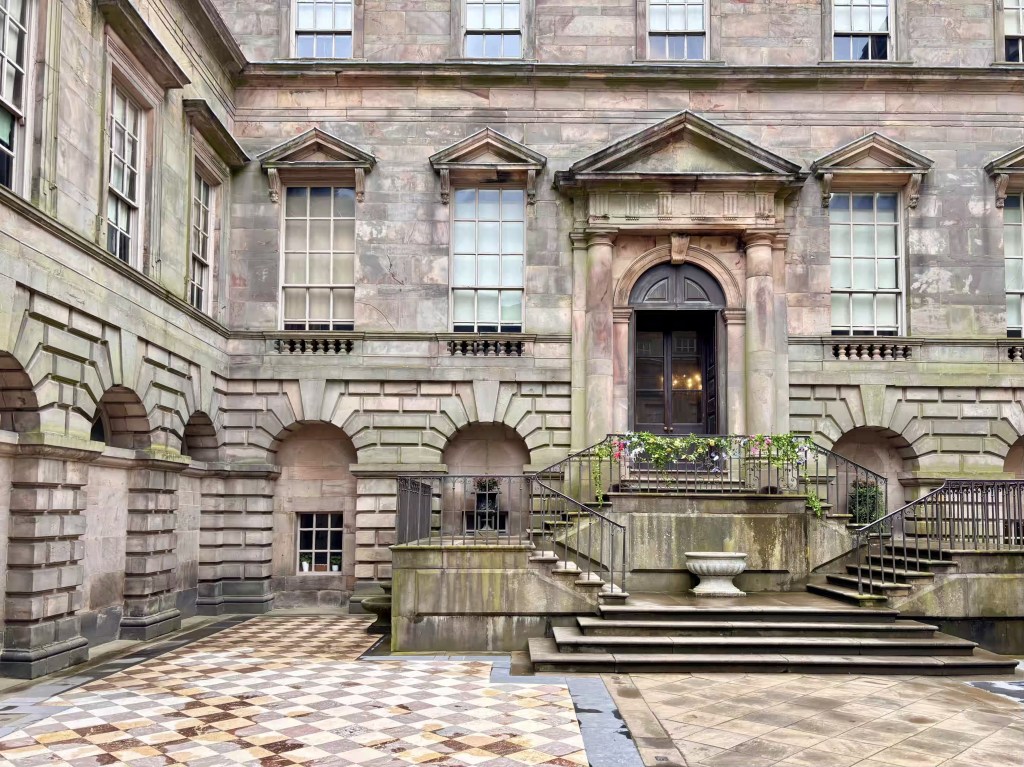
As always in these places, large displays and information boards in the house tell the story if its origins, the family who built it and lived here. What seems to be different (or maybe it’s just in this house) is the mention that Lyme, like most of the nation’s great homes, was built on the labour of the working classes (sound familiar?) with an acknowledgement that, whilst we know about the lives of the rich, little is known about those who created that wealth for them. In this case the wealth came from mining. My paternal grandfather was a miner, albeit working with the full backing of health and safety laws behind him rather than in the terrible conditions of the eighteenth century, at which time many were also minors.
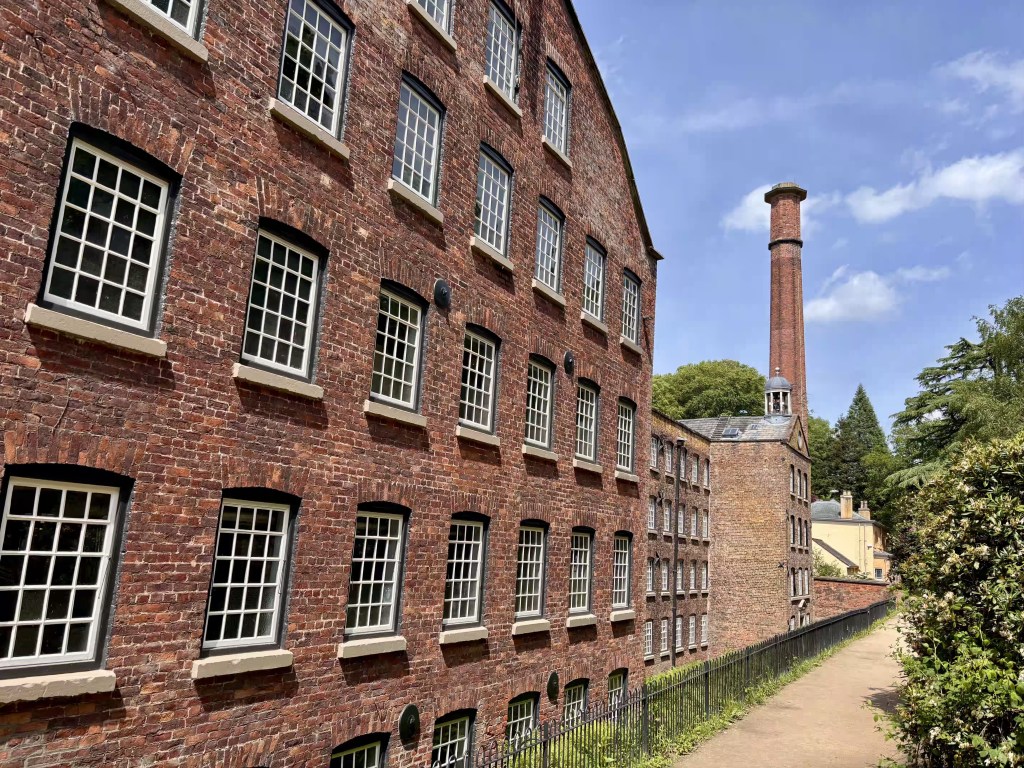
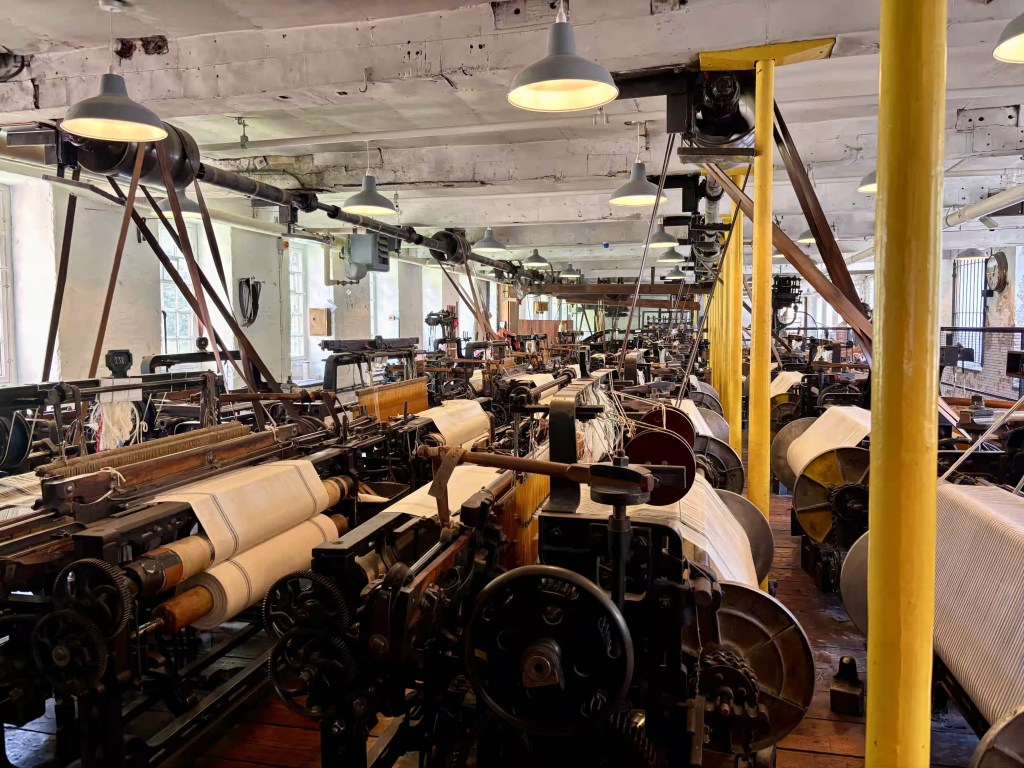
The same is true at Quarry Bank, a place that offers a tiny glimpse into the life of the lower classes during the industrial revolution. In one of the first industrialised cotton mills in the country, hundreds of people, mostly women and children, slaved in terrible conditions for, again, someone else’s profit. One machine on each floor is operated briefly at certain times daily, both to show how they worked (and they are engineering marvels) but also so we can understand this environment better. A single machine vibrates through the floor and my chest, the noise loud enough I couldn’t bear it for long. I can’t imagine how a whole floor of them, dozens, must have felt and sounded.
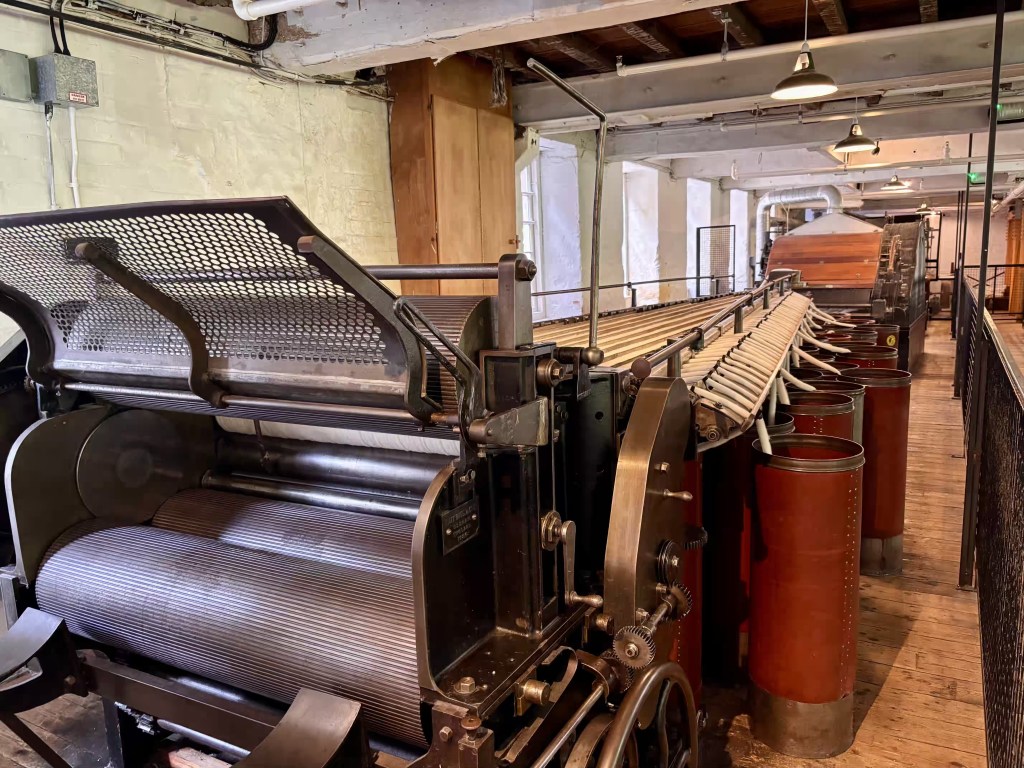
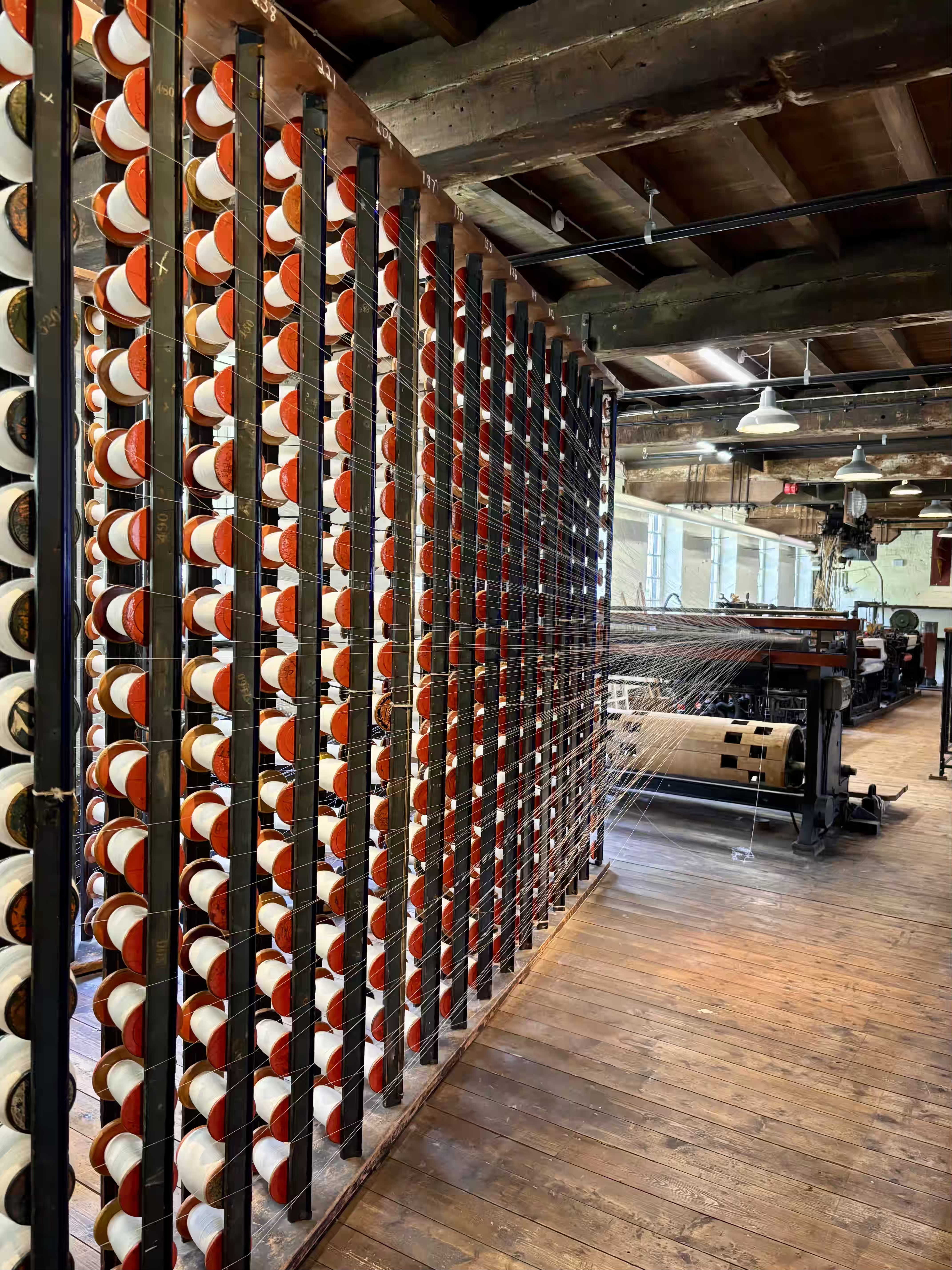
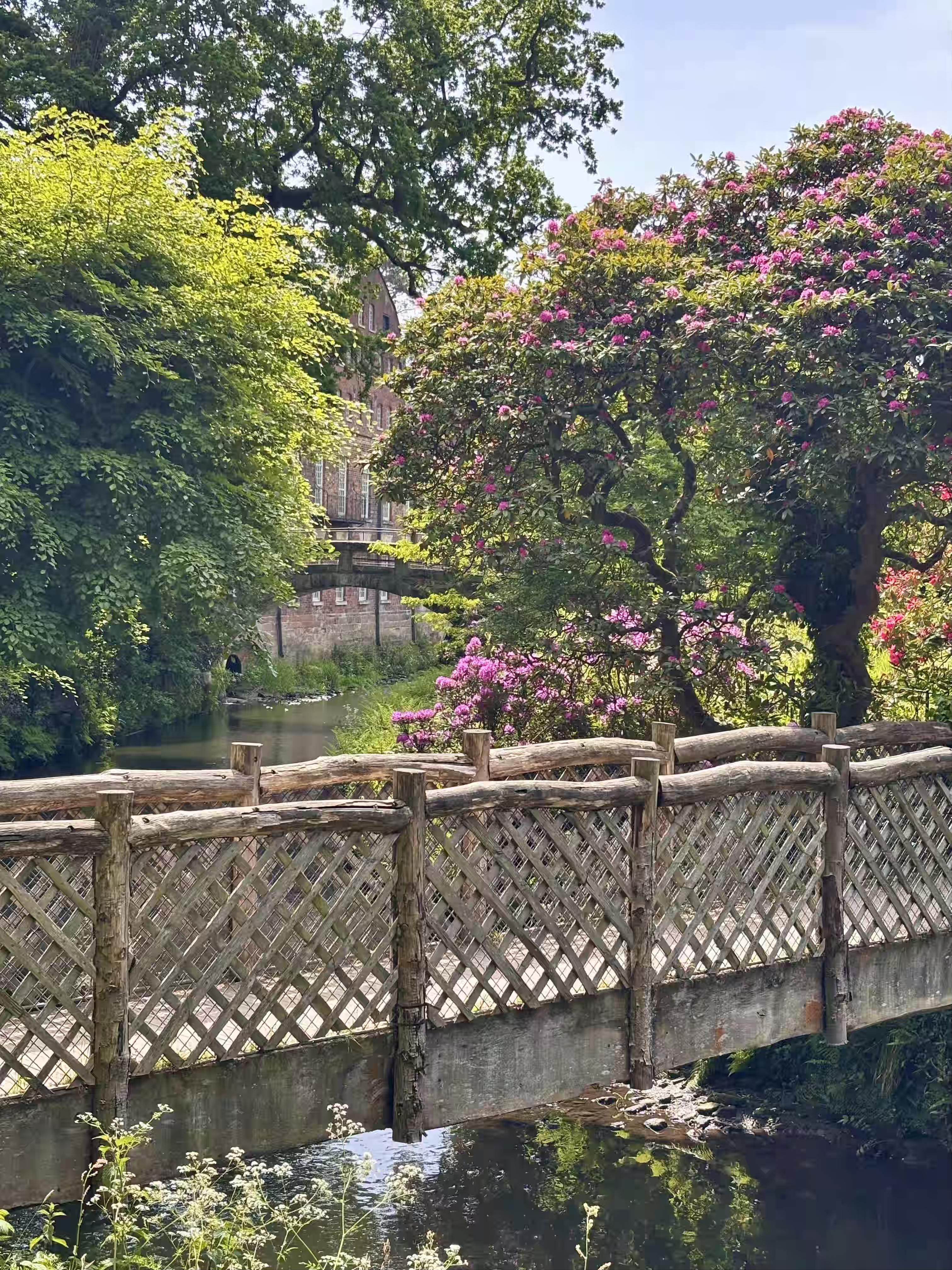
Inside and out at Quarry Bank Mill
Walking around the site now is a different experience to what it must have been then. Large grassed areas dotted with picnic tables are surrounded by bushy rhododendrons, in full bloom at this time of year. They provide a colourful backdrop to what is still a remarkable building, despite its history, children that would have once been forced to labour in it now running around outside.
Nether Alderley Mill is a cornmill which, like the spinning mules at Quarry Bank, has been restored to working operation. We’re about to begin our tour when the guide states, somewhat acerbically, that it isn’t working because someone’s just broken it. Pretty sure it wasn’t deliberate and I feel a little sorry for the person who was obviously on the end of his annoyance a few minutes ago. Also like Quarry Bank, before the invention of the steam engine, this mill’s power was originally generated by waterwheel, two of them actually. The mill may not be working, but it’s still impressive, with a series of cogs and rods that transferred power generated by the wheels to the millstone that ground corn to flour. Even more impressive, if somewhat claustrophobia-inducing, is the drying kiln, a huge brick circular room with a fireplace at its centre. Wearing hard hats and stooping a little we can walk the entire, narrow, circle around the fire. I’m glad to be back out in the bowels of the waterwheel!
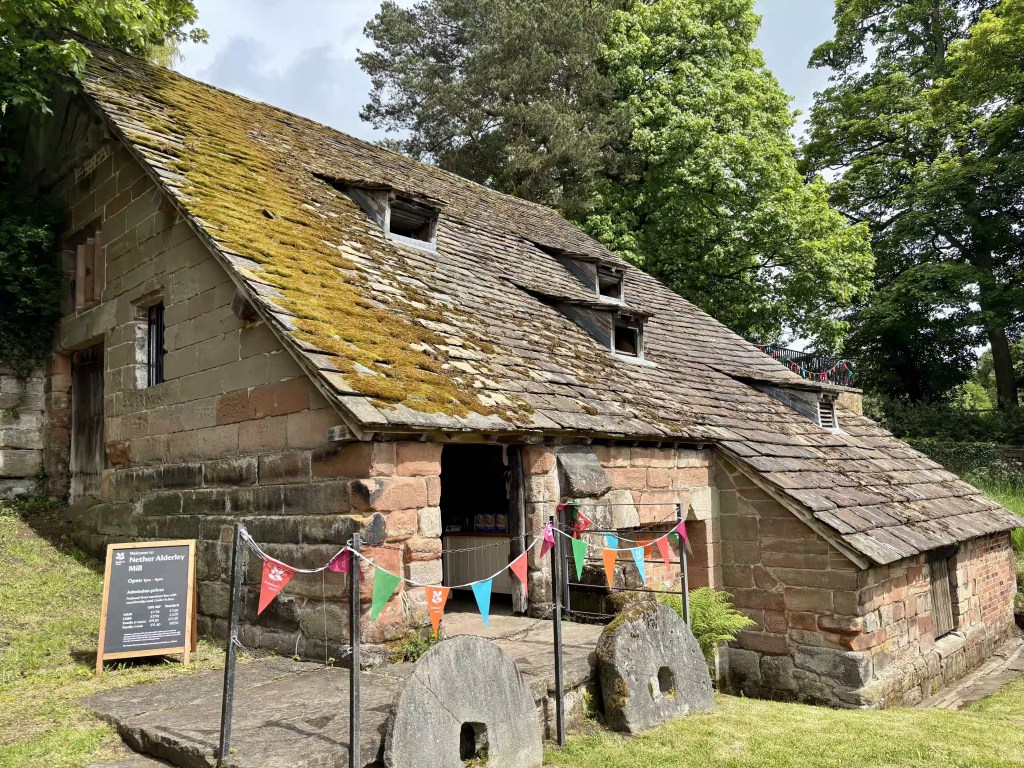
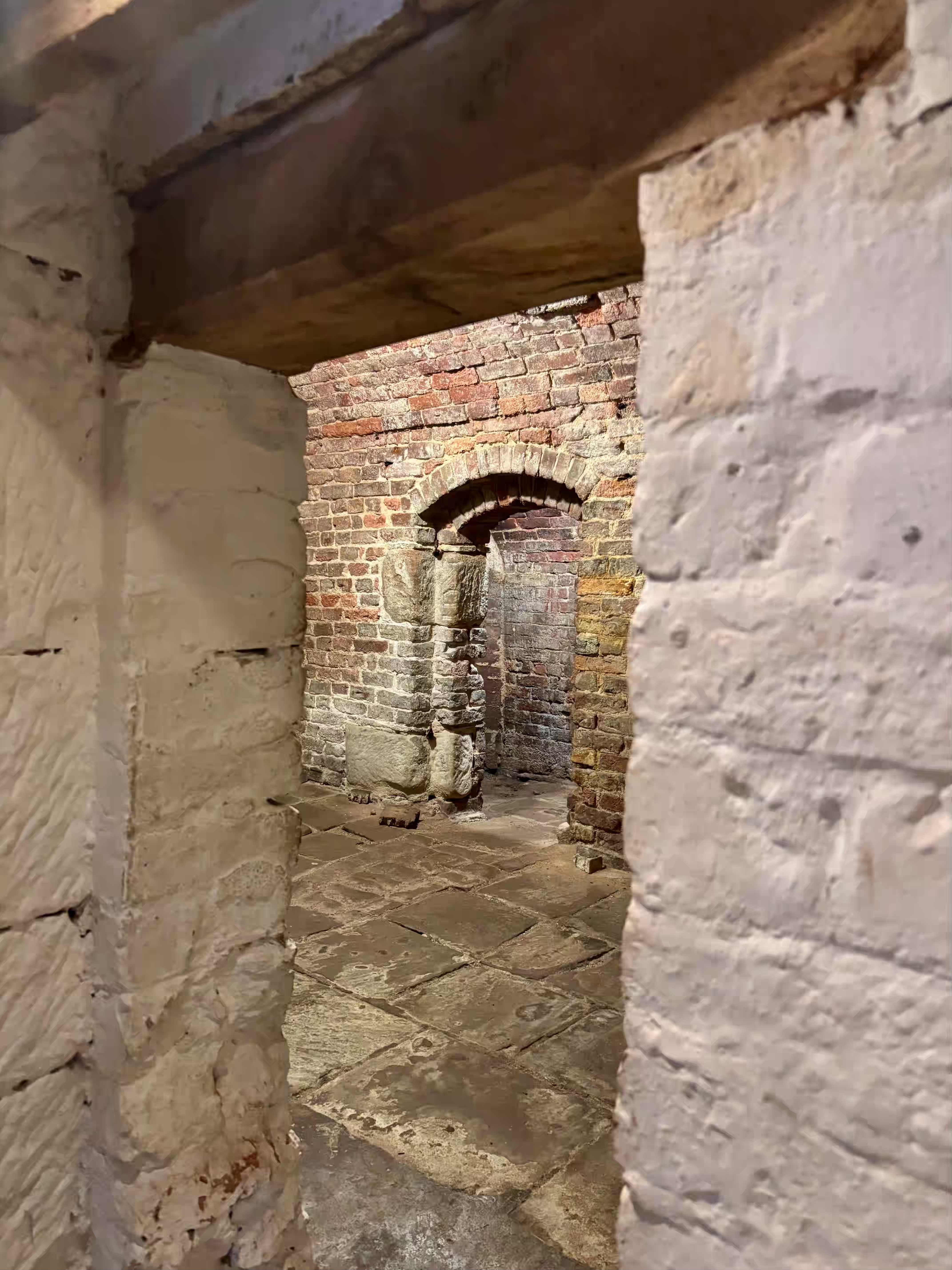
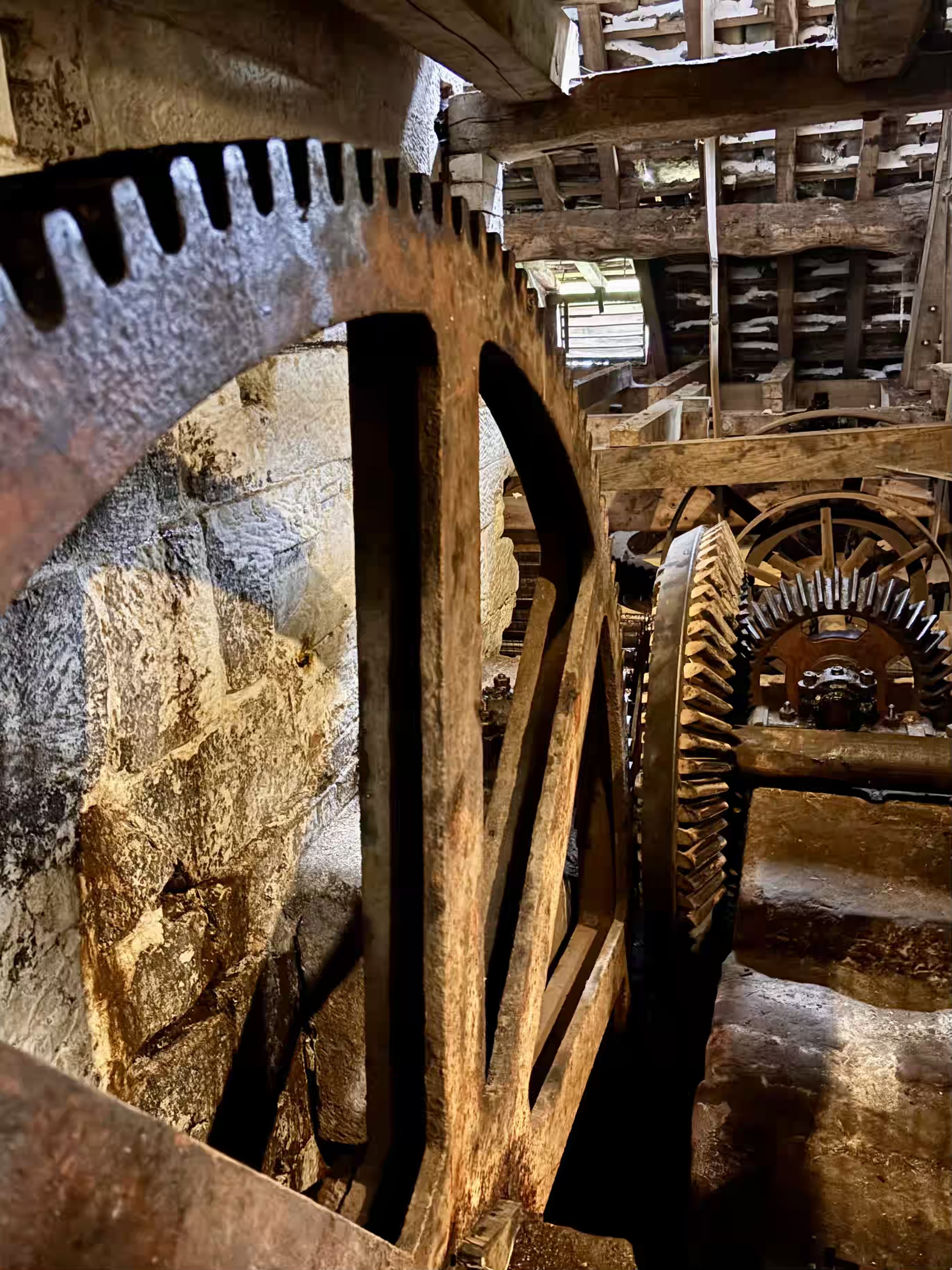
The kiln and waterwheel at Nether Alderley Mill
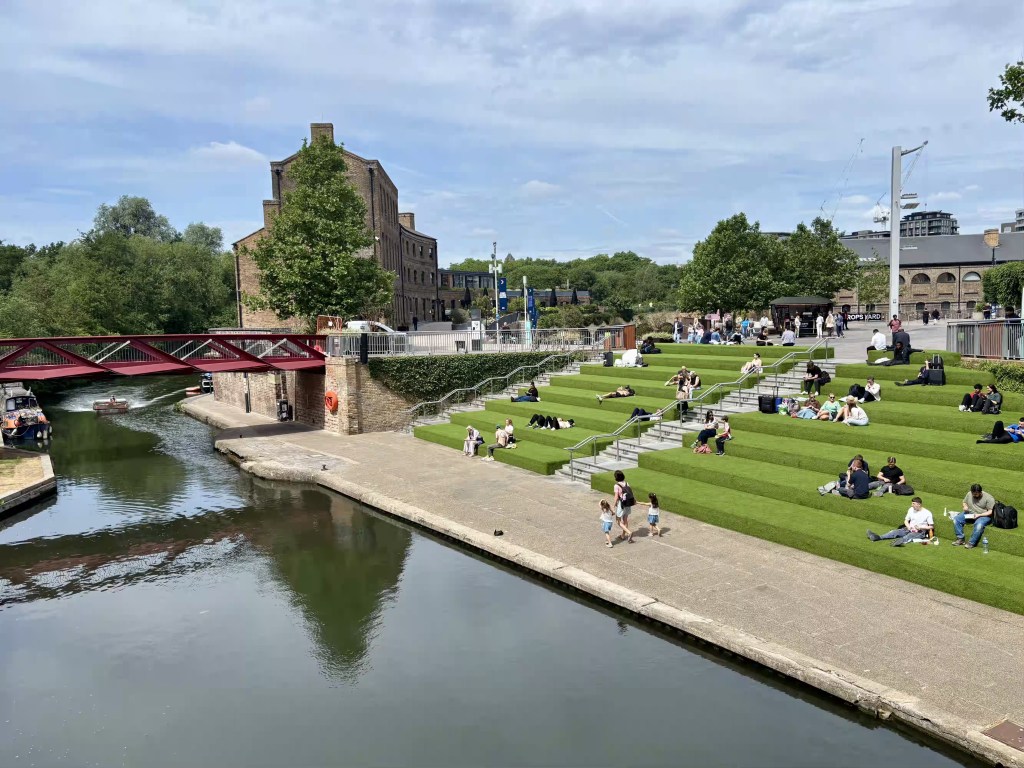
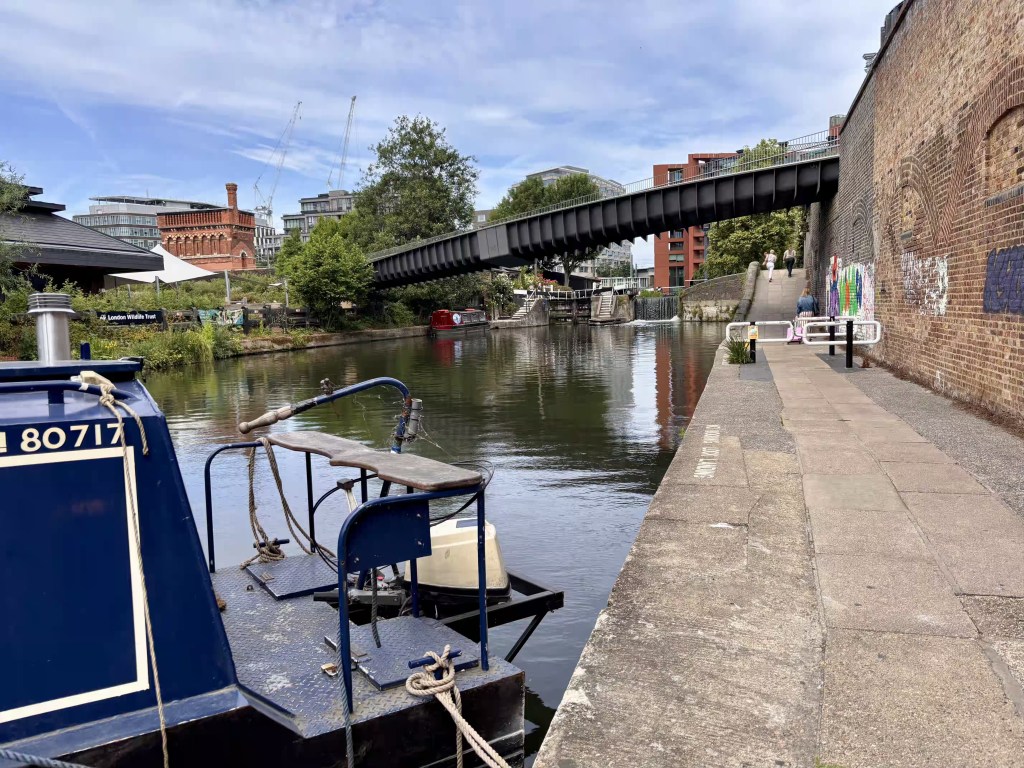
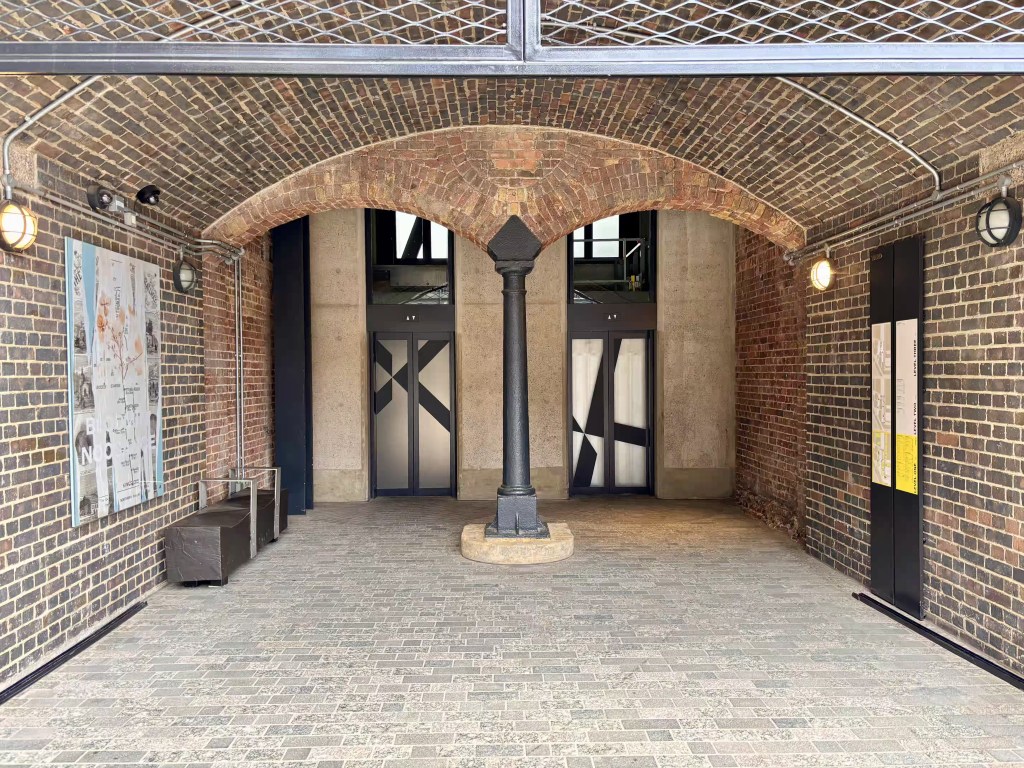
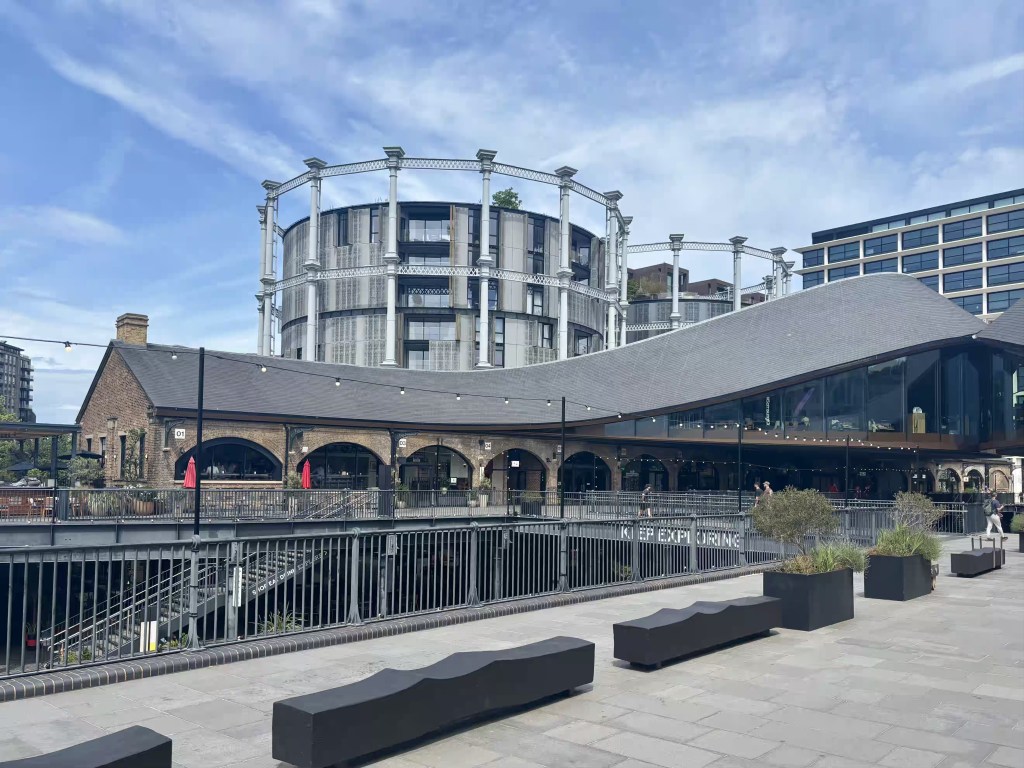
In London, we get the train to Kings Cross. When we both worked there in the 1990s it wasn’t somewhere you’d linger after work, certainly if it was dark. As well as the area now housing hi-tech multinationals behind glass skyscrapers, recently someone had the bright idea to convert the old Coal Drops Yard into trendy shops and restaurants. A place where coal for the railway was literally dropped into huge storage warehouses is now an impressive example of recycling on a mass scale, giving an old industrial site a fashionable new lease of life completely at odds with its original purpose. Brick buildings, blackened by years of use as coal storage, are now clean and playing host to anyone who wants to spend some serious money. Even the old gasometer metal exoskeletons have new innards, looking like a fancy apartment conversion at the distance we could see them from.
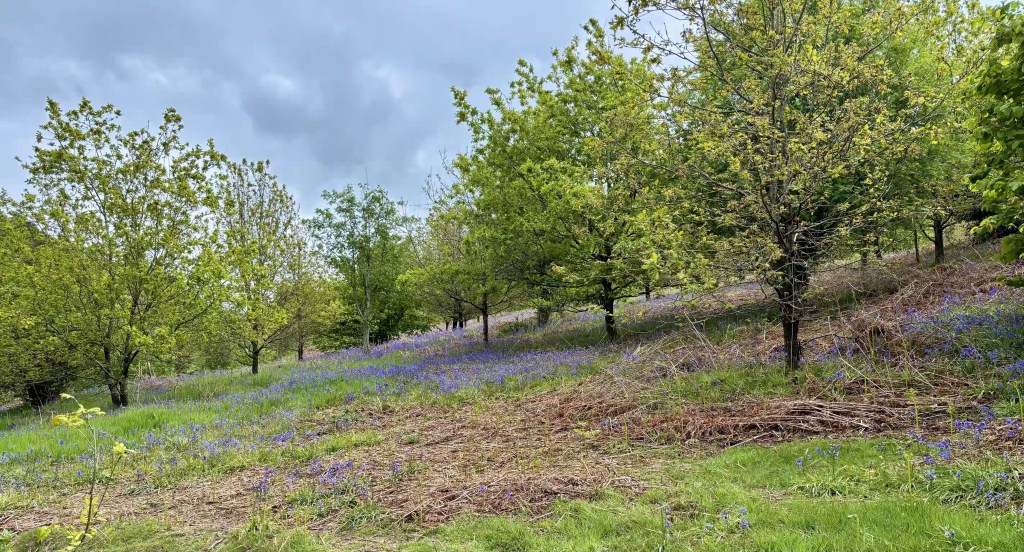
Finally, and in case you were wondering, my hunting endeavours proved somewhat successful: in the woods of Lyme and the banks of Ladybower reservoir we find bluebells. They are past their full glory, and the carpet is merely a scattering, but they are better than nothing. I make a note where they are and next time I’m heading there straight from the plane.
 Tracy Annenberg
As always, lovely words & the pictures aren’t half bad either.
Hope you are having a lovely time in Italy. Weather still warm here although it is starting to cool a little.
See you soon
Jill x
>
LikeLiked by 1 person
great reading enjoyed the history
hope you are enjoying Italy xx
LikeLike
We are, thank you. There might even be a blog about it one day!
LikeLike