I really can’t say why I haven’t posted anything here in a while. If you know me personally, or have read my previous post, you’ll know I’m not home and am on an extended break in Europe. We did this a few years ago and I was pretty faithful with blogging as we travelled but for some reason I haven’t done so this time. I could blame lack of time (and I was busy with something else for the first few months) but it has been more lack of wherewithal. I have no idea why. So, to those of you who have been kindly asking: Where’s the blog? I thank you for your patience and here it finally is. I’ll try not to make you wait too long for more.
June 2026
The process of moving from an idea to a plan on paper to a finished product is something my tiny brain can only comprehend by seeing the actual end result. Someone, one day, thought: Hey, let’s build a tunnel under the sea between two countries, then suddenly we have the marvel of construction that is the Channel Tunnel, or the Chunnel as it is more widely known. Okay, I accept it wasn’t sudden, that it involved many years of planning and building, but its very existence amazes and impresses me.
You drive to the south-eastern corner of England and join a queue. Part of a snake of cars, you drive onto a railway platform, then turn into the smaller tunnel of a train carriage. Alarms sound and doors close, a human walks along to tell you to open your windows halfway, put on the parking brake, and leave the car in park or neutral. Then you realise that the glimpse of outside you can see through the window of the train is moving; it’s so smooth you’d hardly know it. Half an hour later the doors open, you drive forwards and snake out onto the land of a different country. You don’t even have to get out of the car. How good is that?
Our arrival in France is accompanied by rain that wasn’t there when we last saw daylight, and it follows us all the way to Belgium and Mons, a small city in the French-speaking part of the country. Like anywhere, it’s a little underwhelming in the rain – although the cobbles in the town square shine with a light that isn’t there in the sun – but is a perfect-sized city, small enough to walk around, big enough to have something interesting to see, with some nice places to eat and drink after you’ve spent the morning exploring.
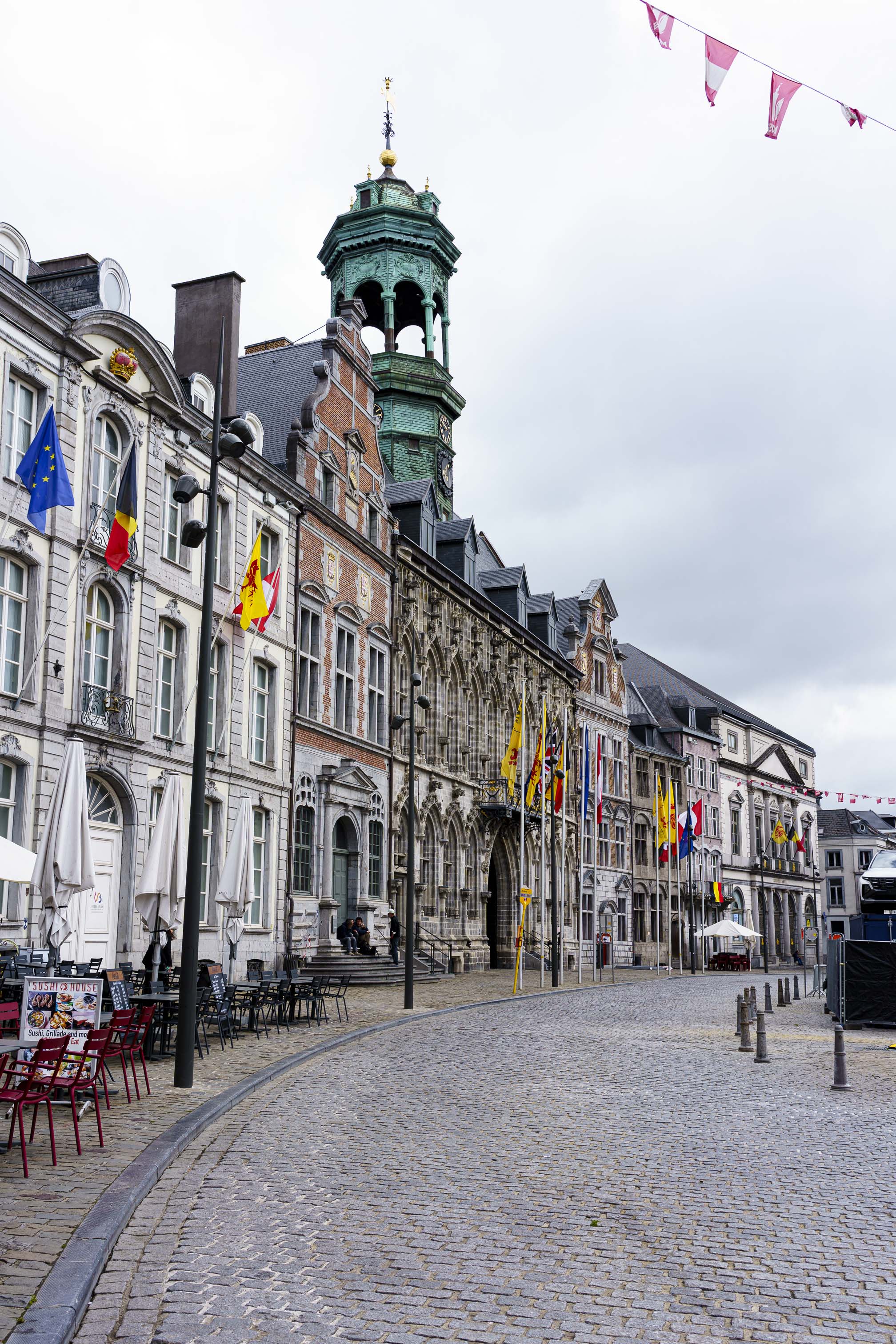
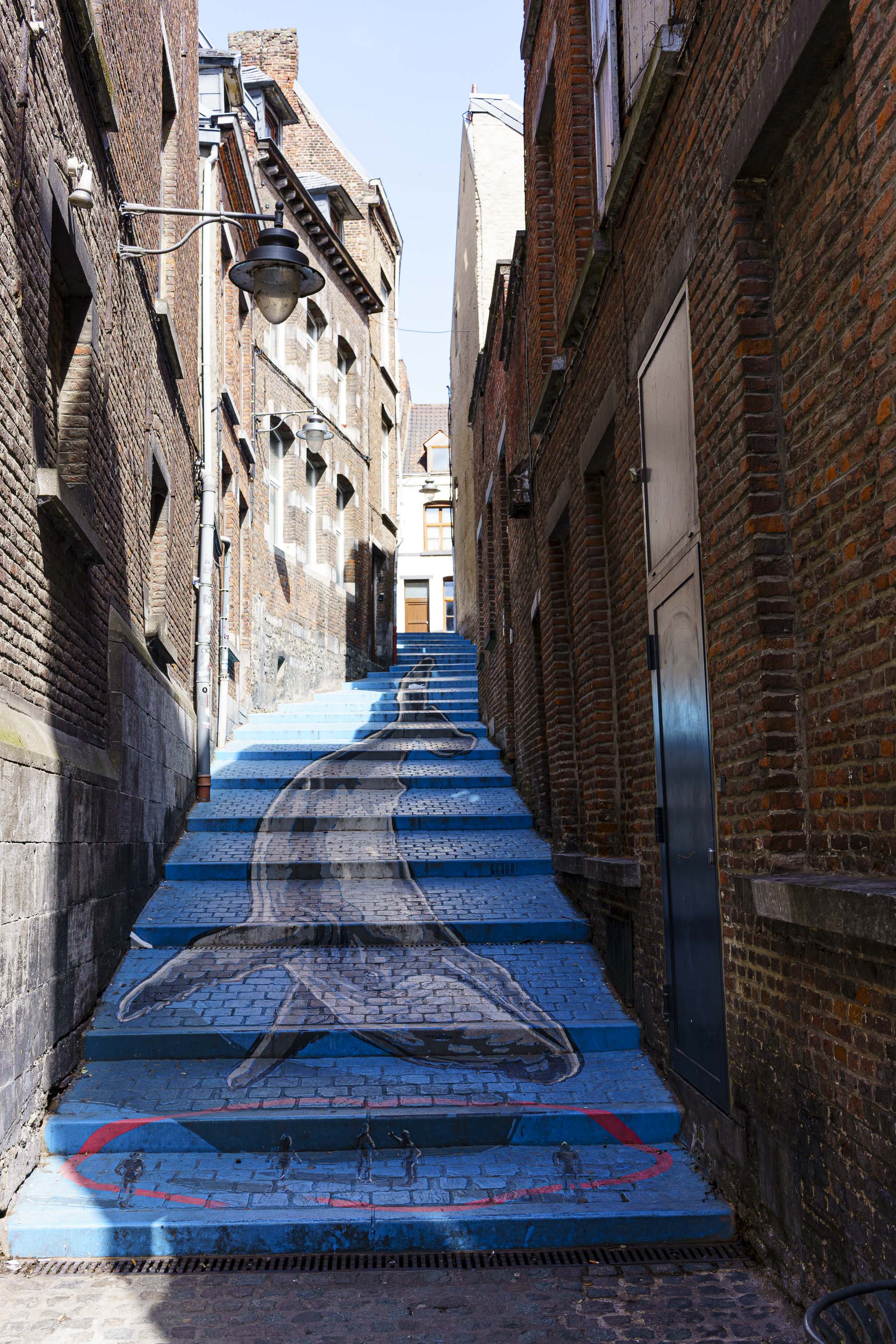
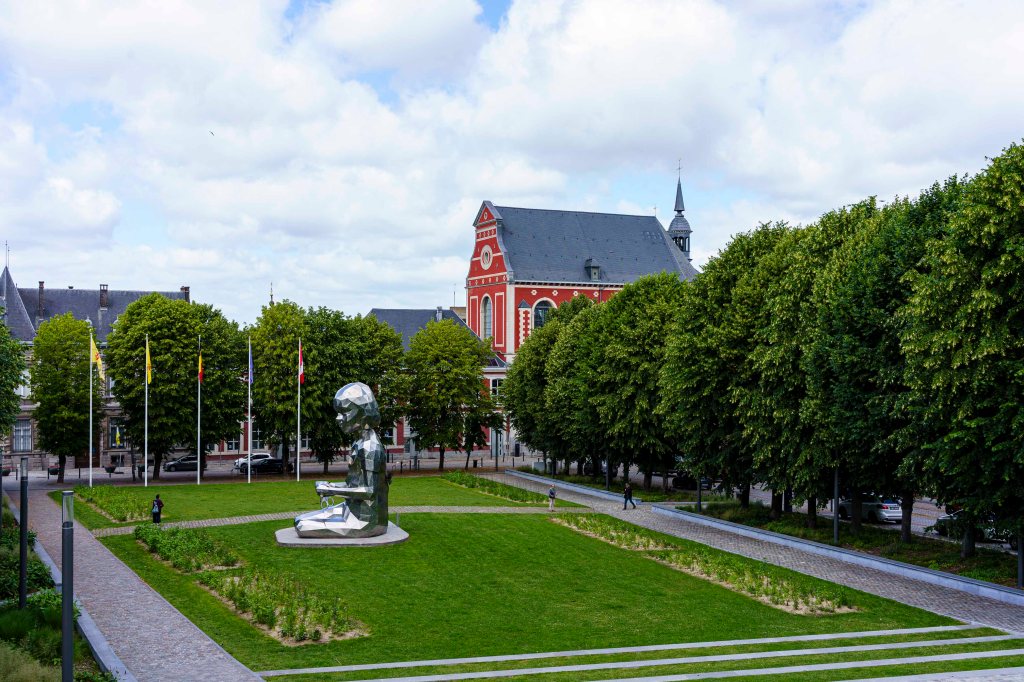
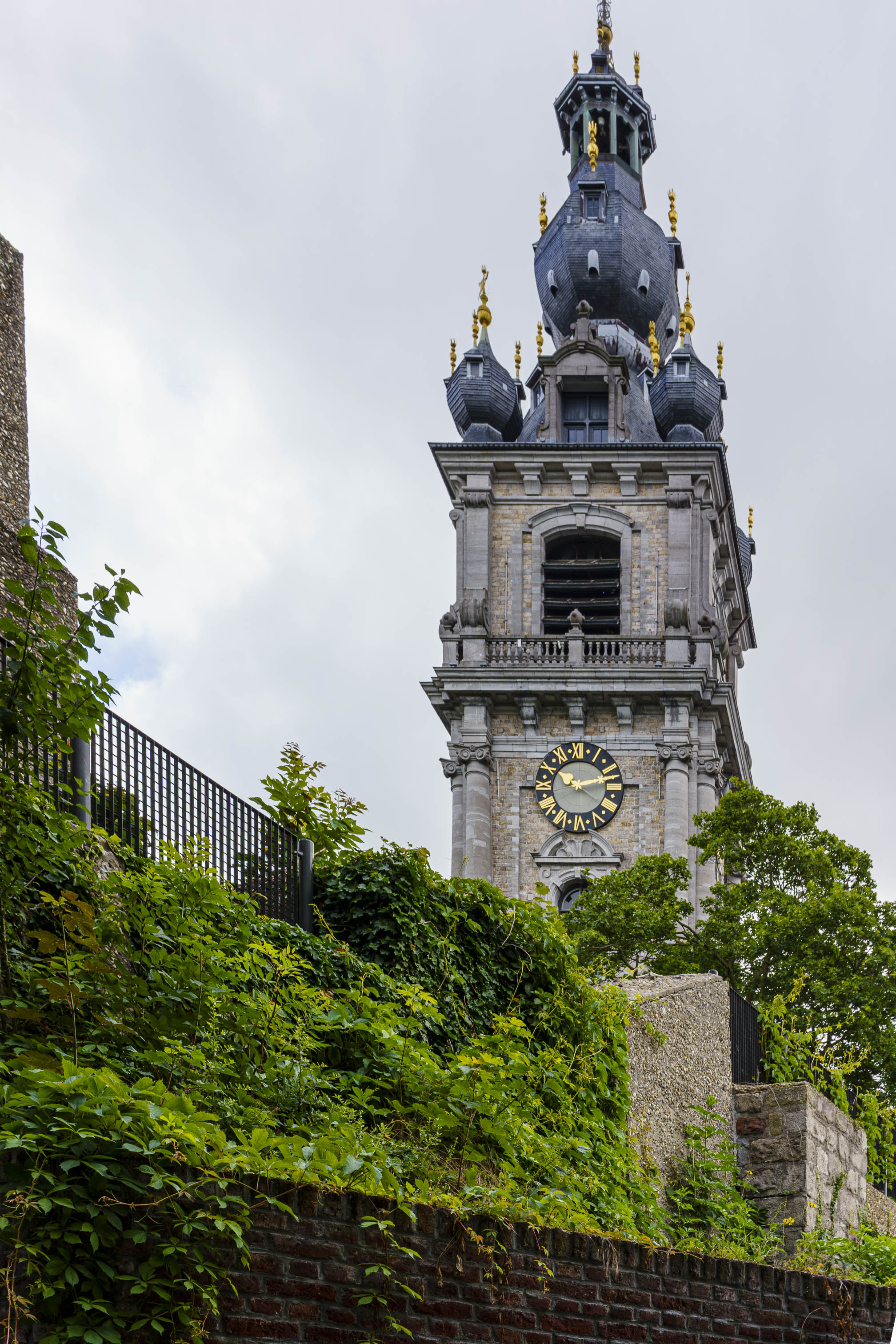
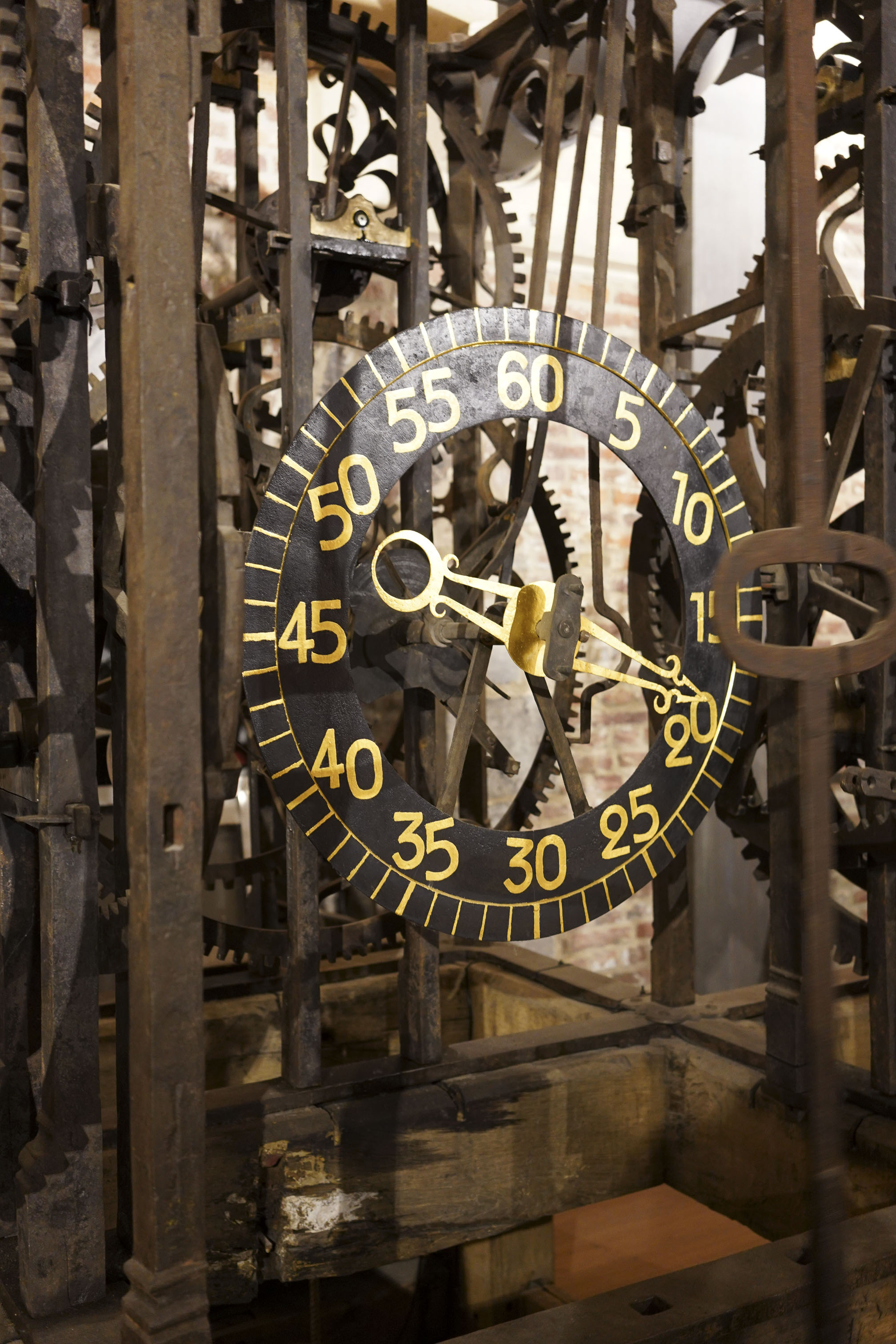
Dominating the city, the Beffroi, or Belfrey, was built in 1772 and restored last century to full working order. We arrive on the dot of opening and have the place to ourselves, taking in expansive city views seen through large screens linked to cameras, a 21st century possibility that means they don’t have to clean the windows every other day. We aren’t allowed as high as the actual bells and stop by the clock mechanism, an impressive mass of cogs and wheels, a long pendulum swinging slowly beneath it. A whirr warns us of the imminent ringing of the bells, which happens every fifteen minutes. Despite that they are still two storeys above us we have to cover our ears as they chime.
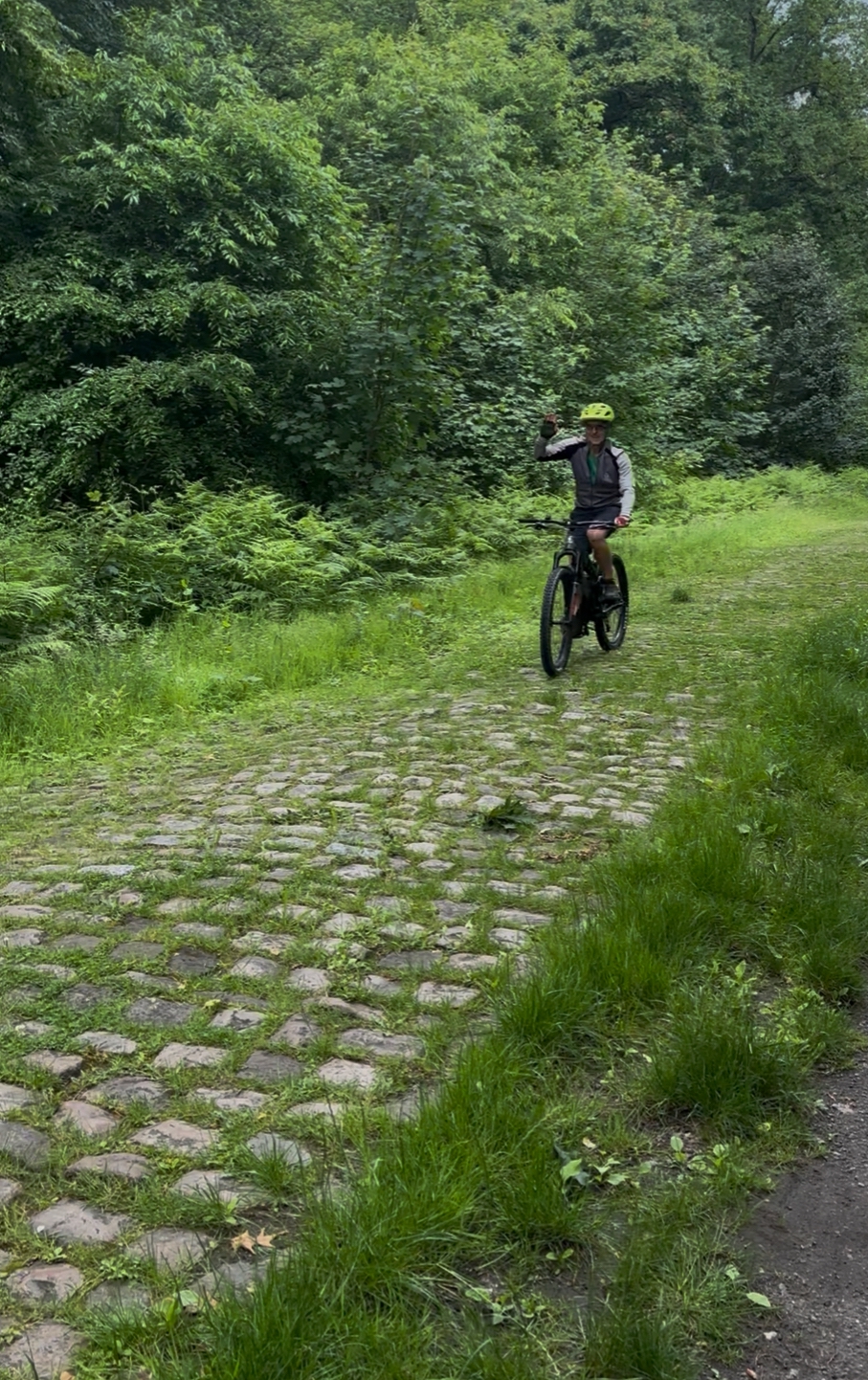
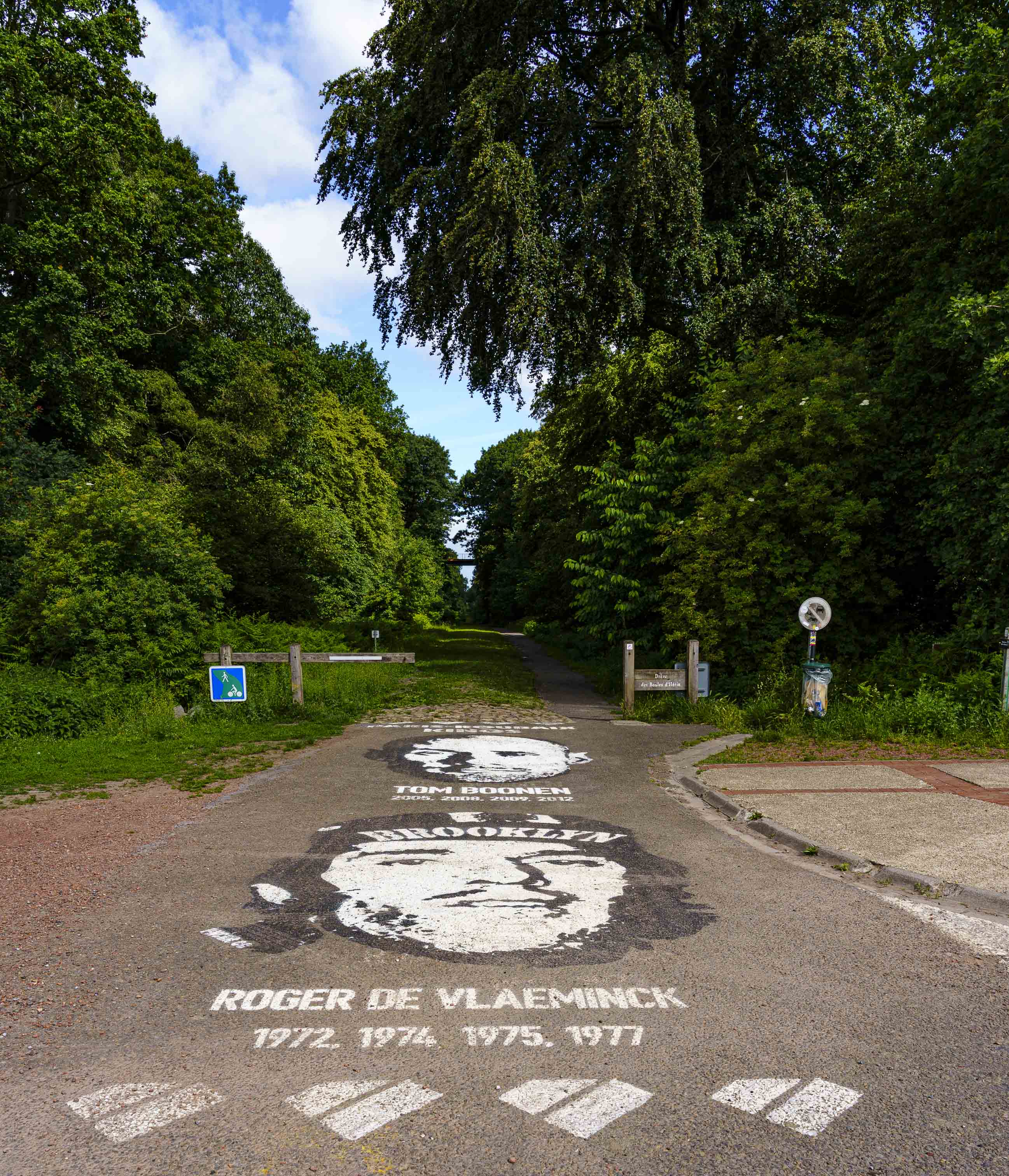
A short detour en route to Amiens takes us to the small village of Arenberg (yes, the first time we read it we also saw Annenberg) a place once known as a mining town, now known as a place where, once a year, a couple of hundred of the world’s best athletes ride through it on the way to the trouée d’Arenberg (the Arenberg trench). Just over two km of brutal cobbles, it is part of the iconic Paris-Roubaix race, and often responsible for ending the hopes of someone wanting to win, with a domed surface that is slippery in the dry and like ice in the wet. Two months after the race has passed, cushioning weeds sprout between the cobbles, weeds that a group of volunteer locals work hard to remove before the annual race: we don’t want to make it too easy for the professionals, do we? Neil rides it on a full suspension mountain bike at 17kmh; the pros ride it on road bikes at 40kmh. I walk part of the way along the smooth(ish) path beside it, looking in awe at the small boulders lined up in haphazard rows, knowing I’d last on them about ten seconds.
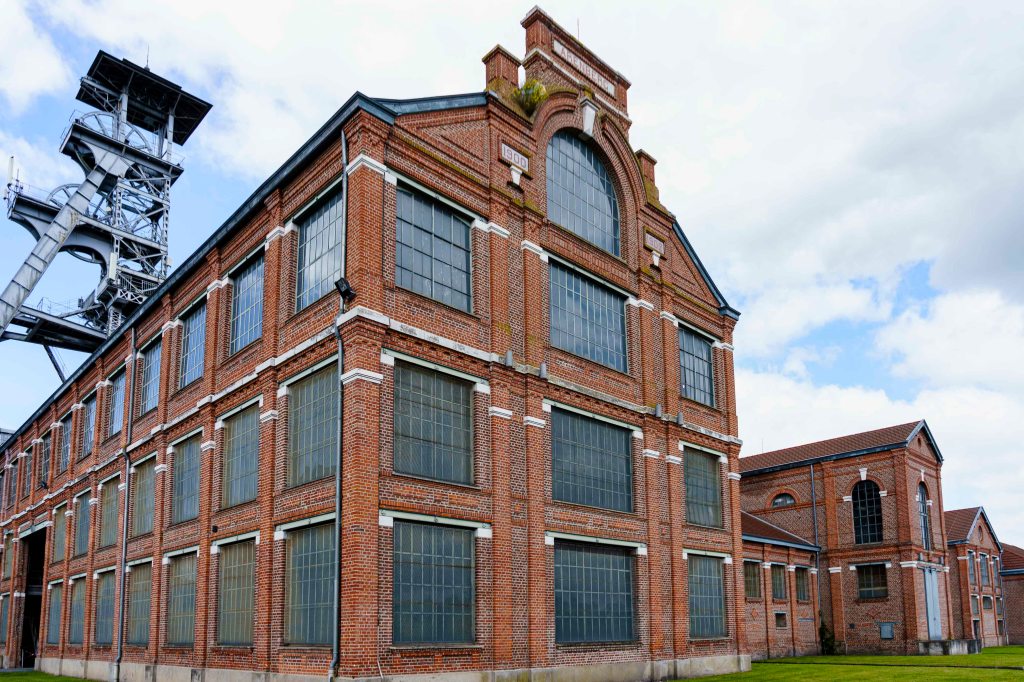
We’d planned to spend a couple of hours in the museum dedicated to the mining history of the town but hadn’t thought to check opening hours – today is a Sunday and the museum only opens weekdays. It’s an early sign that fermé is a word we will come to know well.


enjoyed reading about some special experiences you are enjoying
LikeLiked by 1 person
A lovely start to your Belgium adventure despite the rainy weather!
LikeLiked by 1 person