June 2026
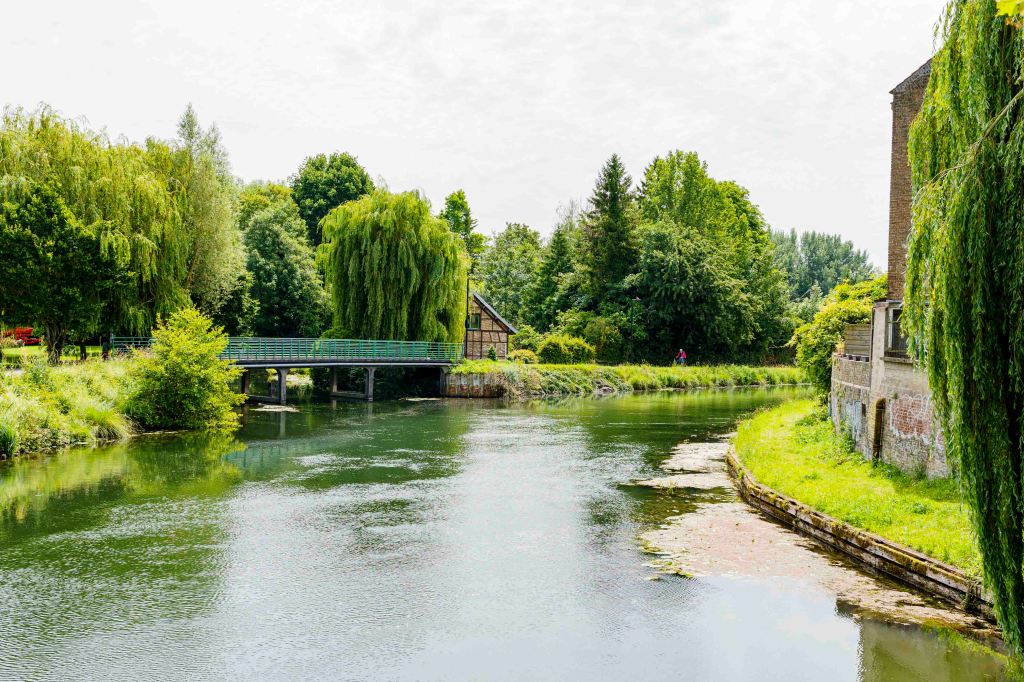
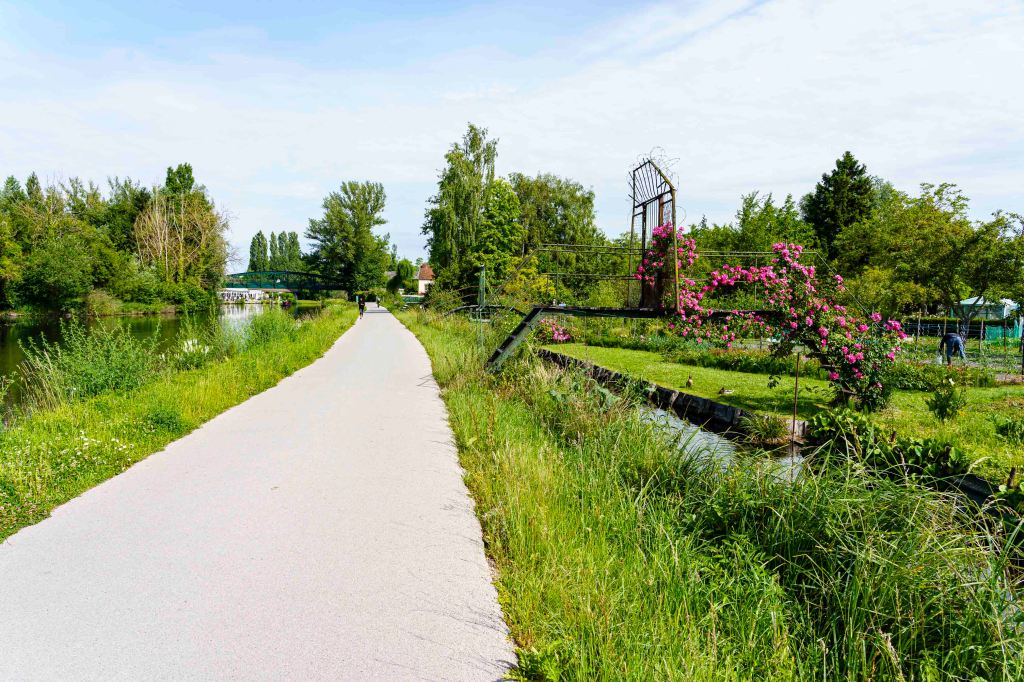
Within minutes of cycling from our small apartment in Longueau, a small town on the outskirts of Amiens, we arrive at a causeway that crosses a lily-strewn expanse of water: the Somme. The word conjures up images of mud, trenches and death; today’s reality is a peaceful waterway, willows bending over it, small boats moored here and there. Beside the river is the towpath where horses hitched to barges once plodded, now a traffic-free and popular trail to cycle or walk. To our right are Les Hortillonnages, a large area of market gardens separated by tiny canals, originally laid out in Roman times and still in full use today.
.
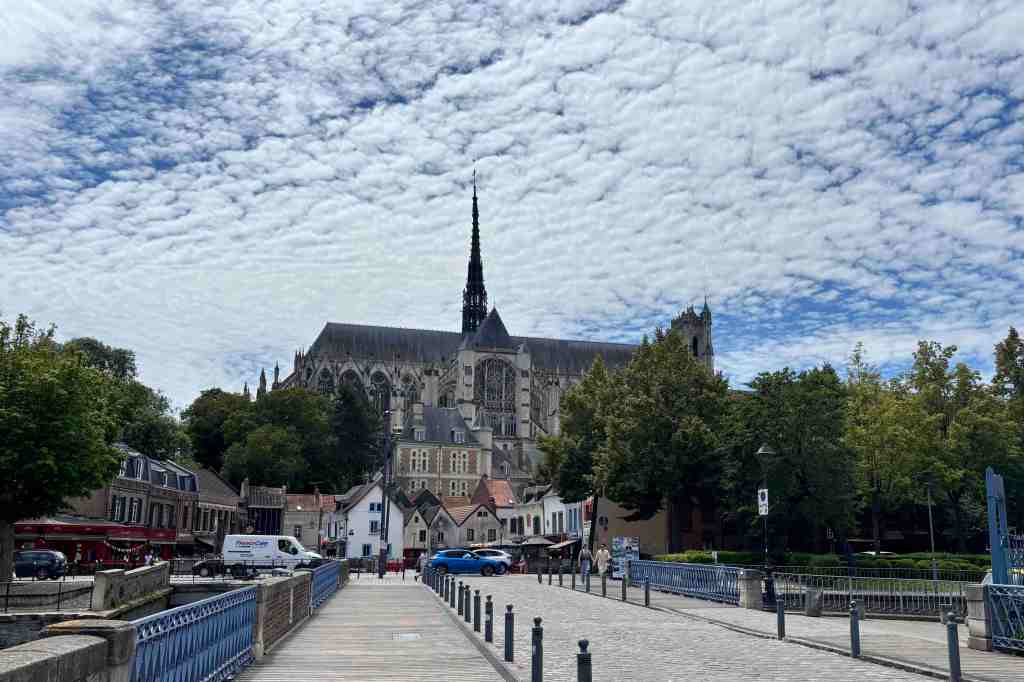
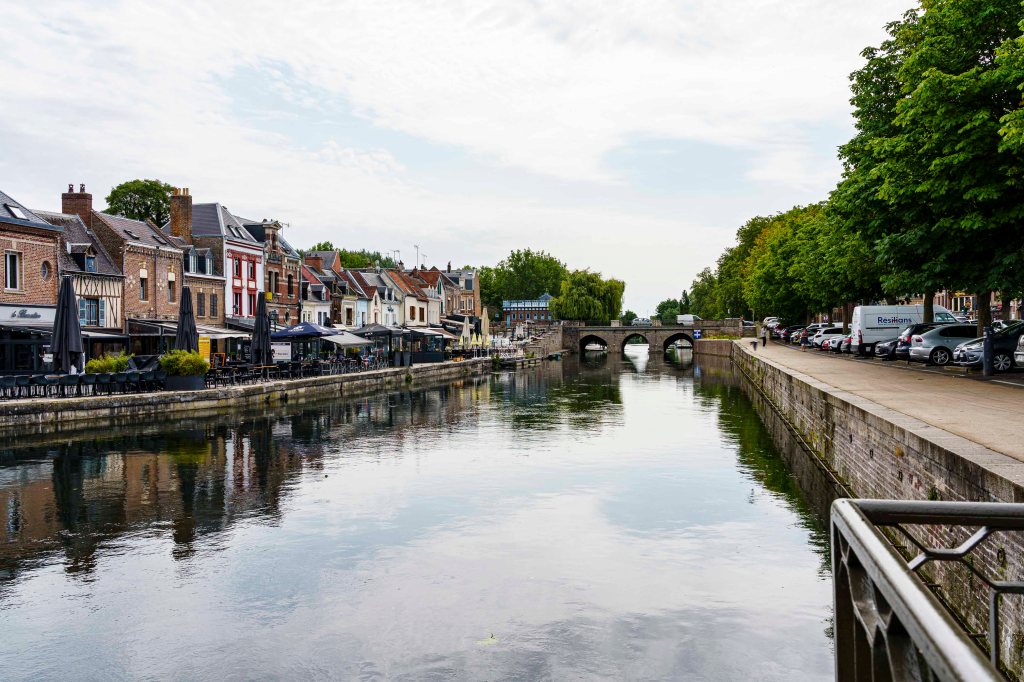
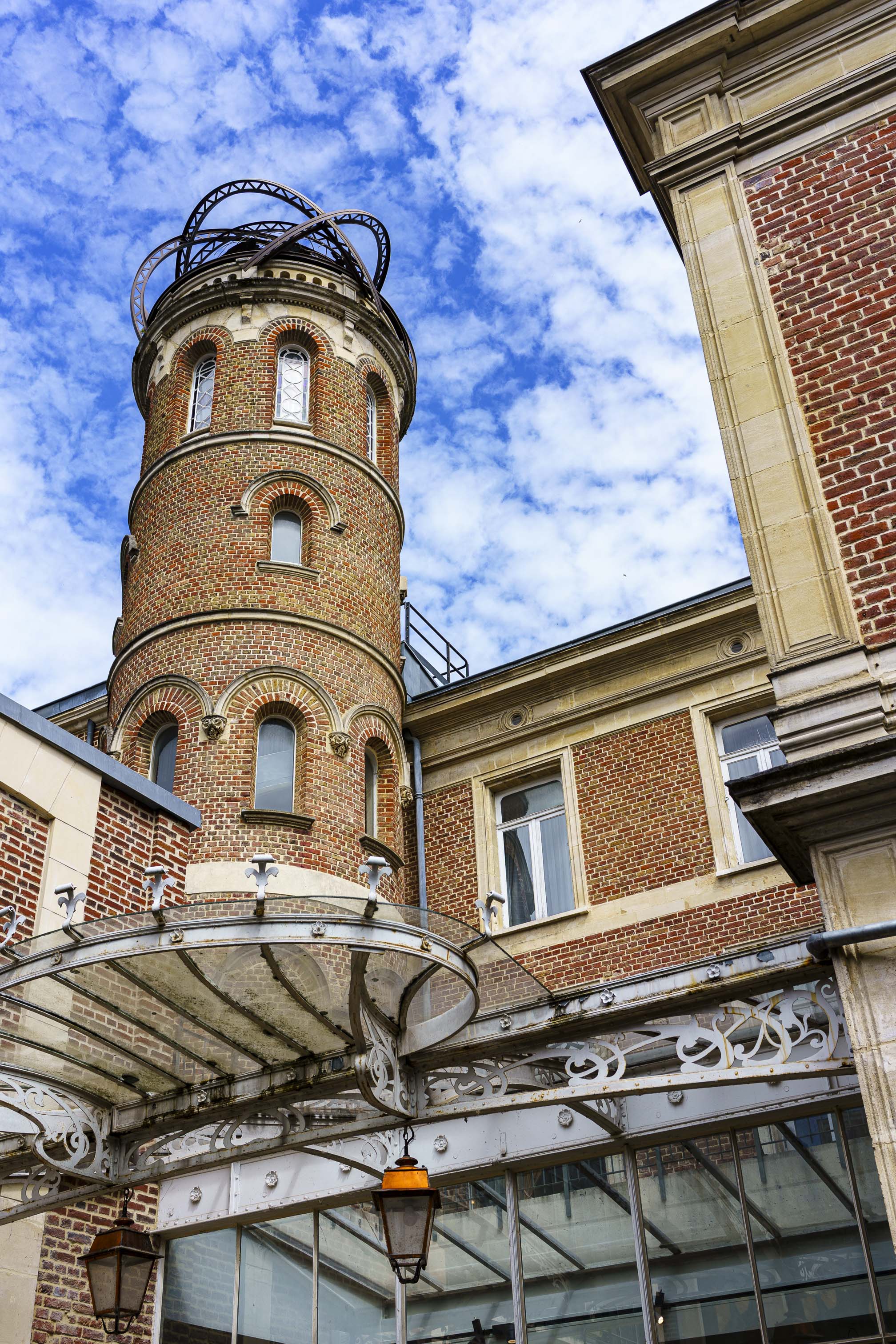
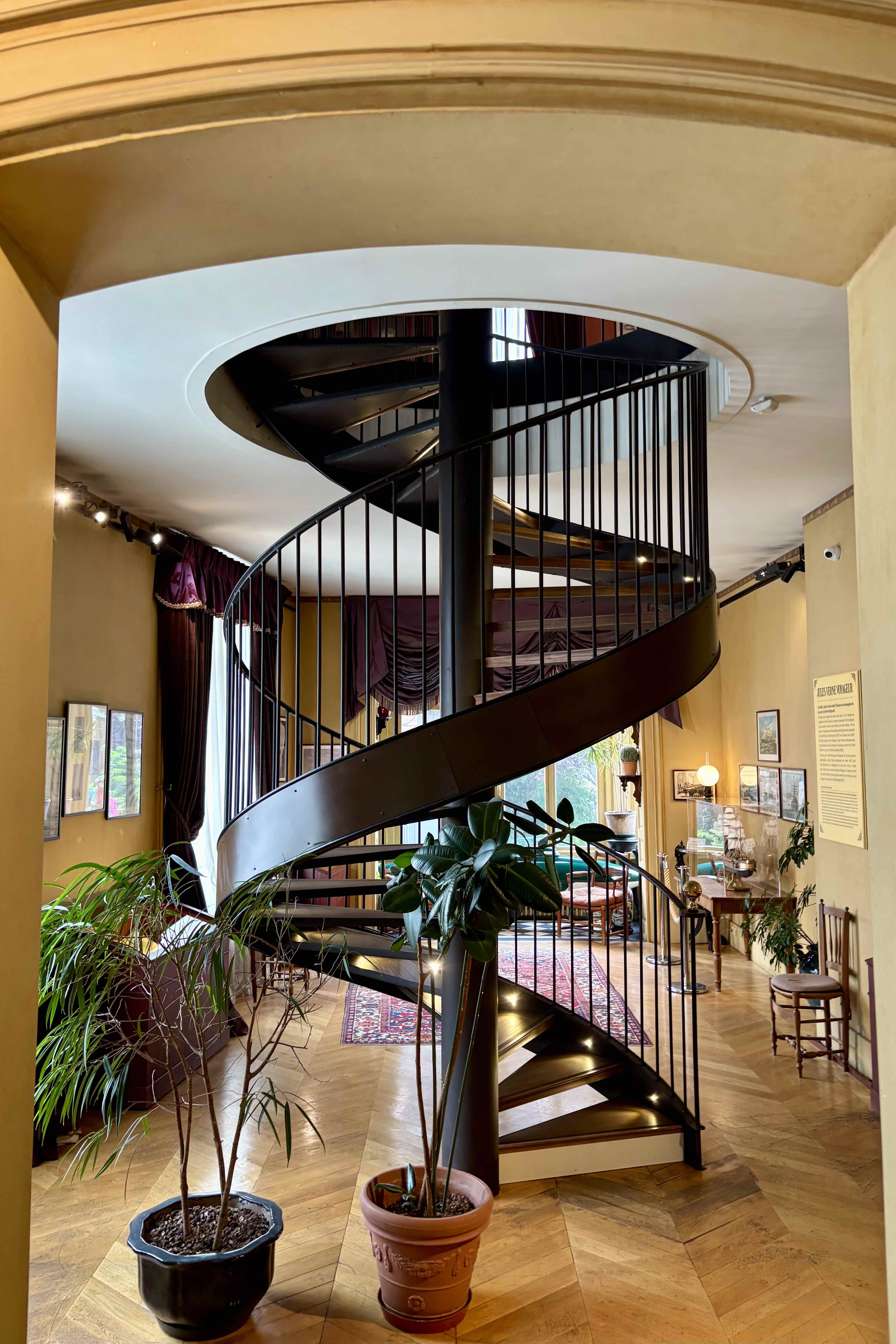
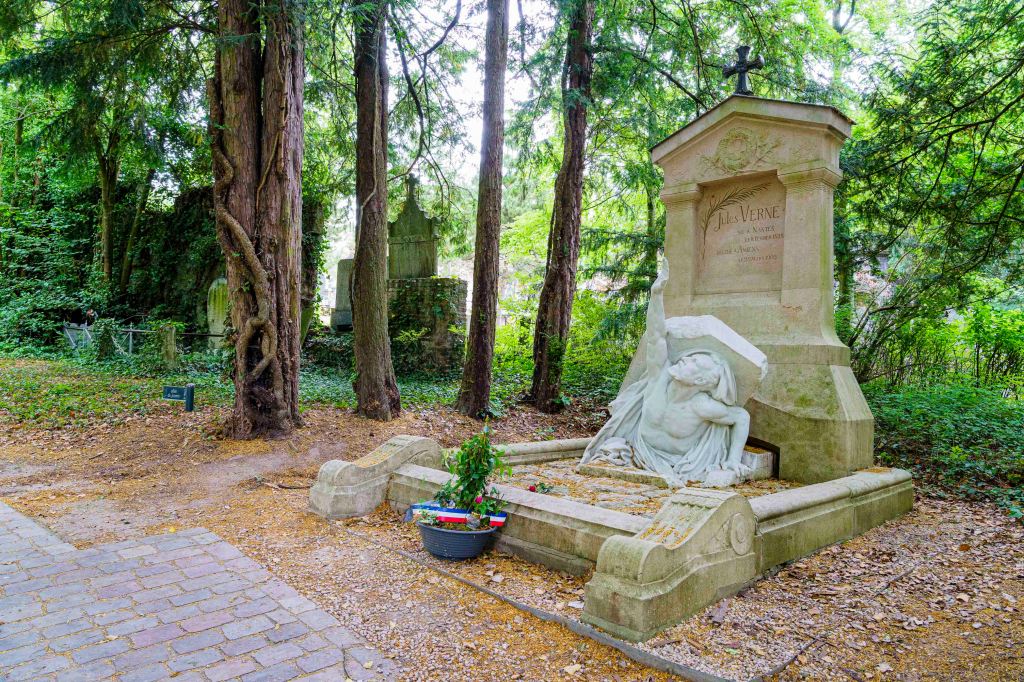
We reach the city having barely taken a deep breath. Narrow cobbled streets near the canal lead to the main square, dominated by a large cathedral, a standard for French cities it seems. Jules Verne lived (and died) here and his house is now open to the public. It’s a fascinating place, the office where he wrote most of his novels visible through a small window, a narrow bed beside his desk where he would rest. Throughout the house are models of his literary inventions, flying machines, balloons and submarines, along with posters for movie versions of his books. Like his novels – he wrote sixty-five – there are far more than I’d thought, most of them non-Hollywood. Later we cycle out of the city to the cemetery where he is buried, his tomb identifiable by a marble sculpture of the man himself reaching out of his grave, a metaphor for immortality and literary glory, if not a little macabre.
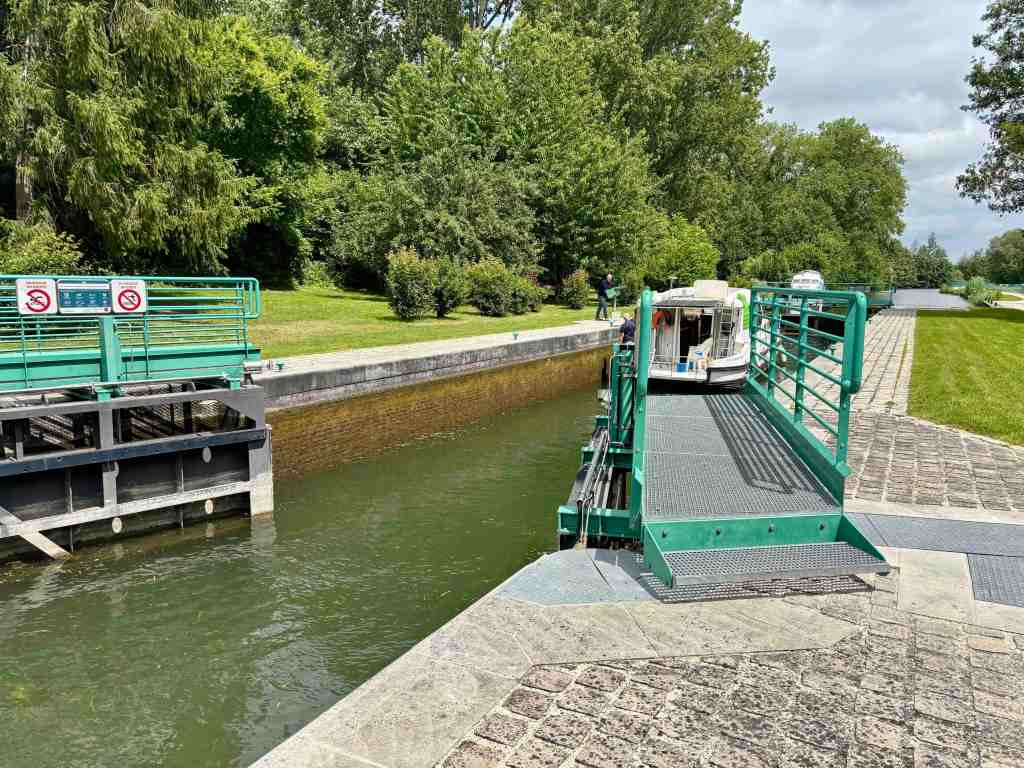
We need to get multi-day cycle ready and the towpath, aka the Vallée de Somme trail, is a good place to start, running for 160km alongside the water, leading eventually to the sea some 80km west of Amiens. From Longueau we ride east, a peaceful ride past locks and small villages, the bucolic scene briefly interrupted by the grey and metal of industry and a truly horrific smell (I check later and it’s a pet food factory). A couple of sections detour through villages, leaving the water to ‘Fishermen only’. On the outskirts of Corbie we pause by a small information centre (fermé…) flying Australian flags, reminding me that nearby is a memorial to Australian soldiers who died in this area in the war. It’s one of many.
En route south we pass Auvers-sur-Oise, a small village in which Vincent van Gogh was living when he died. We’d visited the small house near Mons where he lodged, originally as a preacher in the small mining community, later whilst he vacillated between pleasing his father and continuing with this calling or failing him and becoming a painter, so it felt appropriate to detour and explore.
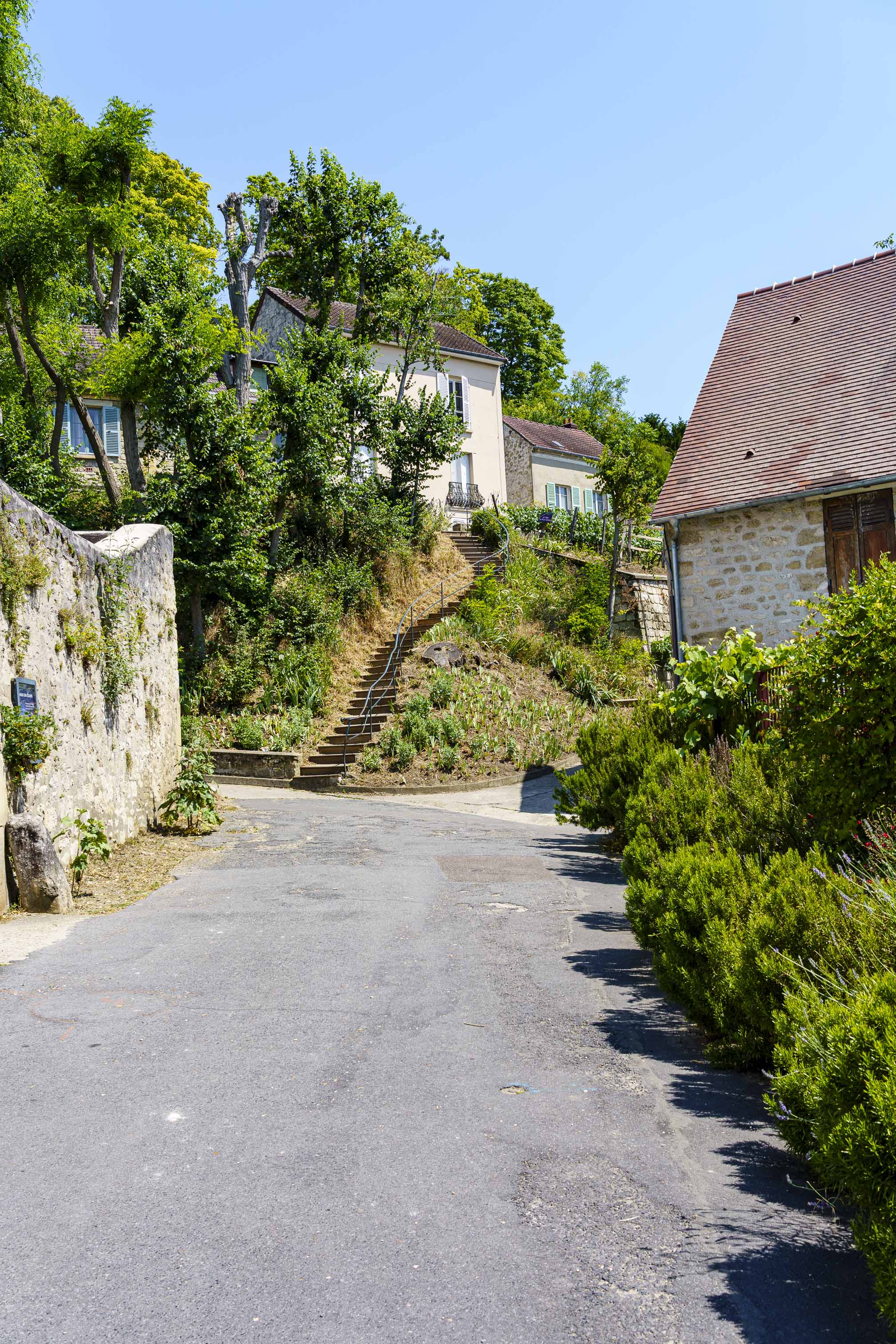
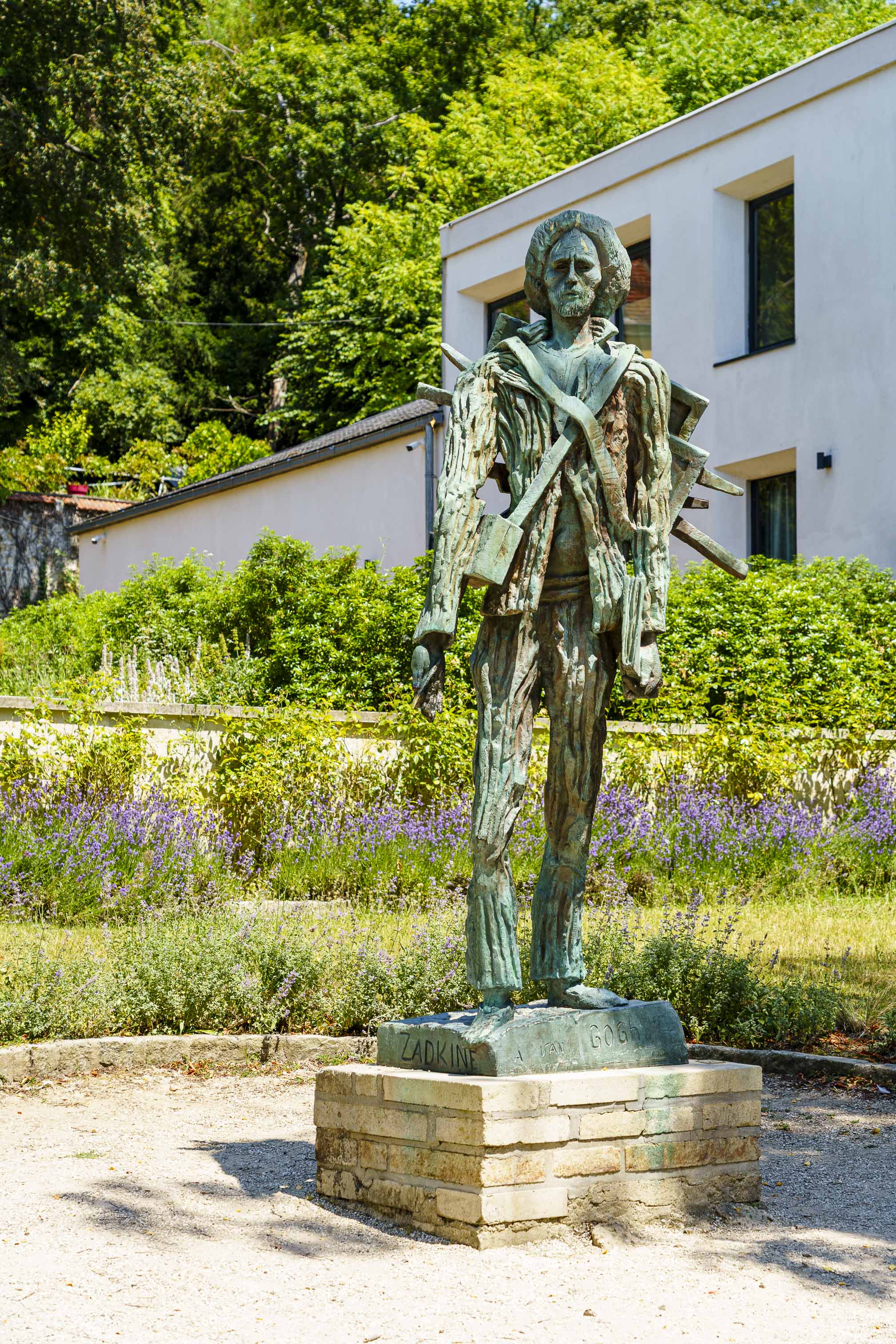
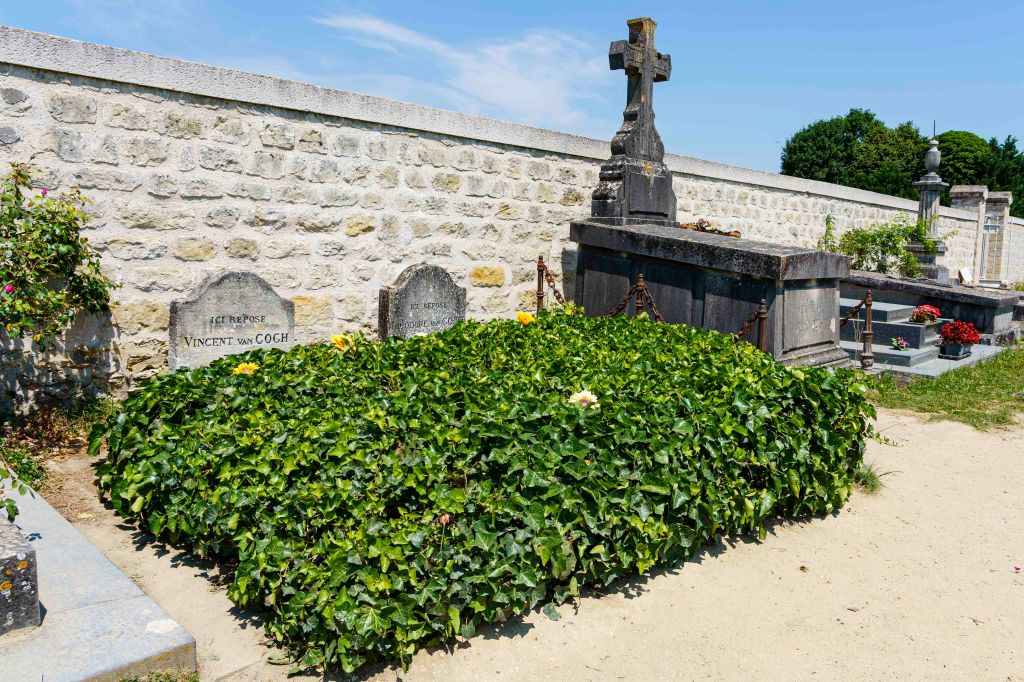
Van Gogh painted prolifically in Auvers-sur-Oise and a trail follows sites familiar in his art, small versions of the paintings beside the real buildings. It’s a place that invites wandering, but the heat has arrived and we manage less than an hour of it before retreating to the cool of the visitor centre. Which is fermé for lunch. Instead, we return to the car and drive to the cemetery, where we make the mistake of hunting for van Gogh’s grave amongst elaborate monuments, before finding a simple and worn headstone poking out of an ivy-covered plot, a couple of plastic sunflowers protruding next to it. The antithesis to Jules Verne’s, it is stark evidence of the difference in the lives of the two men: one was successful and celebrated; the other died in poverty before his talent was acknowledged.