14-15th July 2023
When early cross-Atlantic flights began in the 1950s there was no possibility of carrying enough fuel to complete the journey between Europe and the major destinations in North America so a refuelling stop was necessary. Enter Gander, Newfoundland, which soon became known as the crossroads of the world, the title fading with the advent of bigger, more efficient, planes.
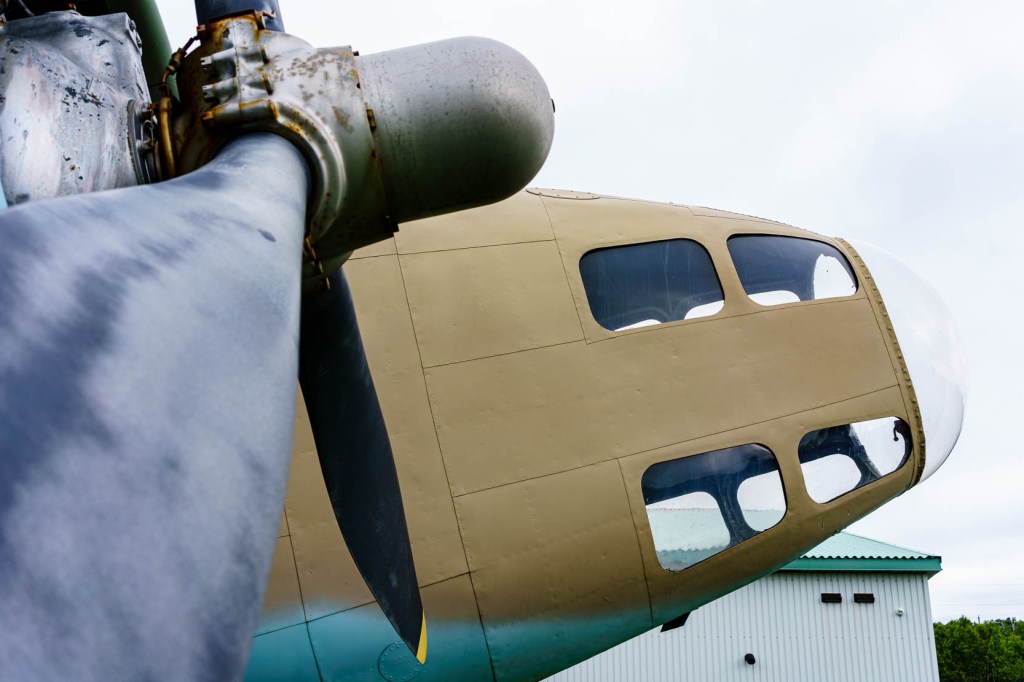
Gander had already established itself as part of aviation history – during WWII aircraft built in North America were flown to Europe from here. Astoundingly, before this only a hundred or so planes had attempted the trip and half of them had failed to make it. Between 1941 and 1945 ten thousand were flown from Gander to the Allies with very few losses.
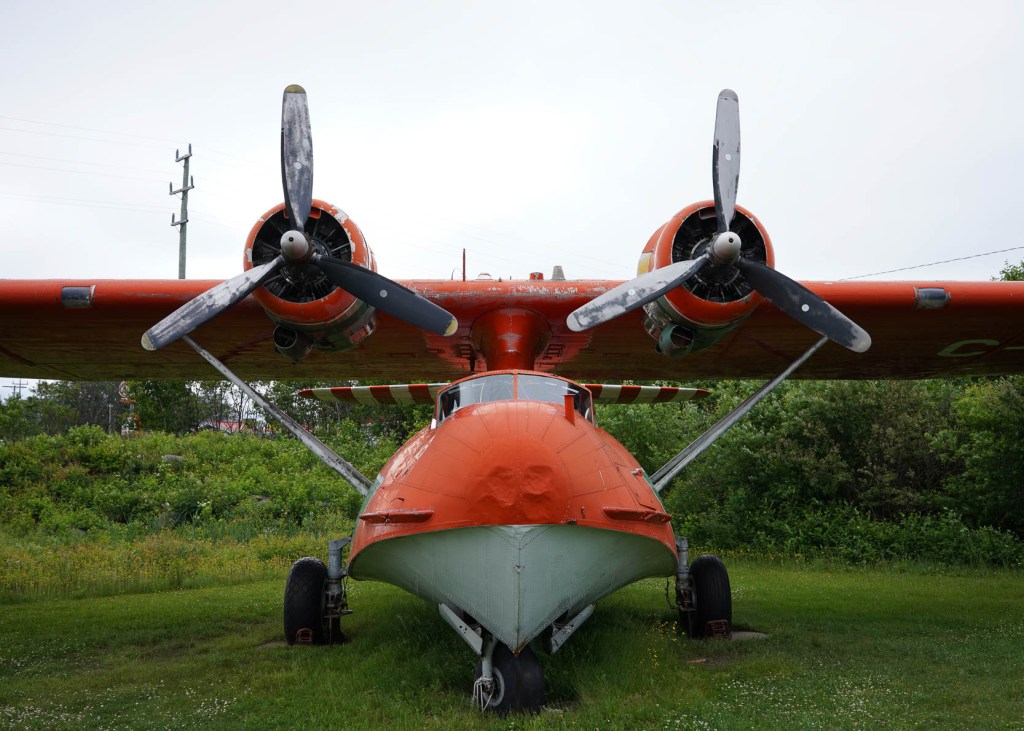
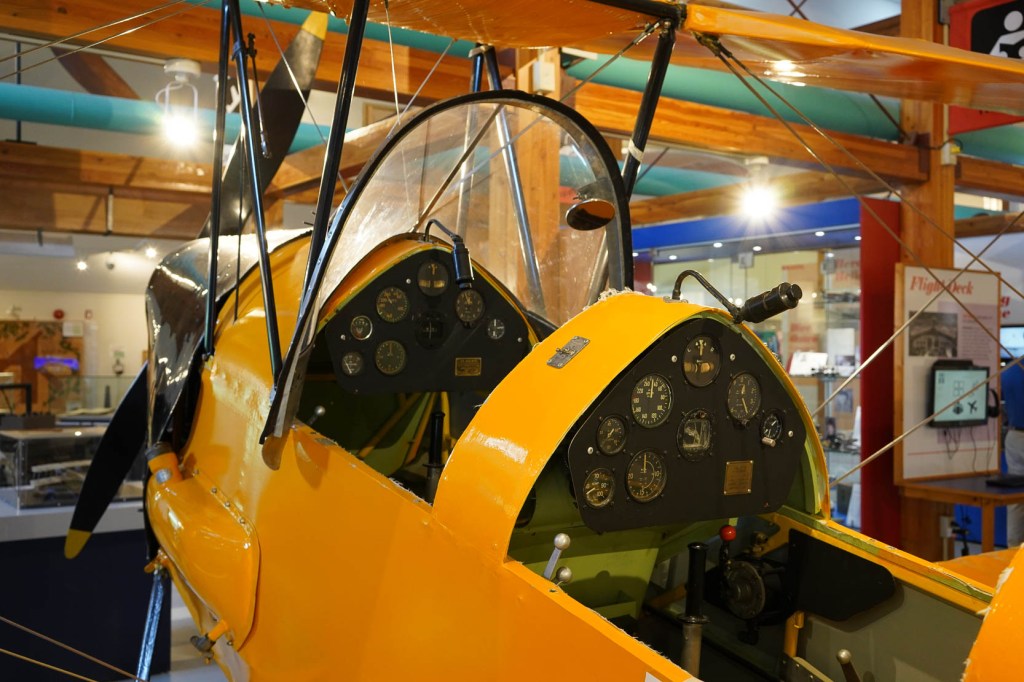
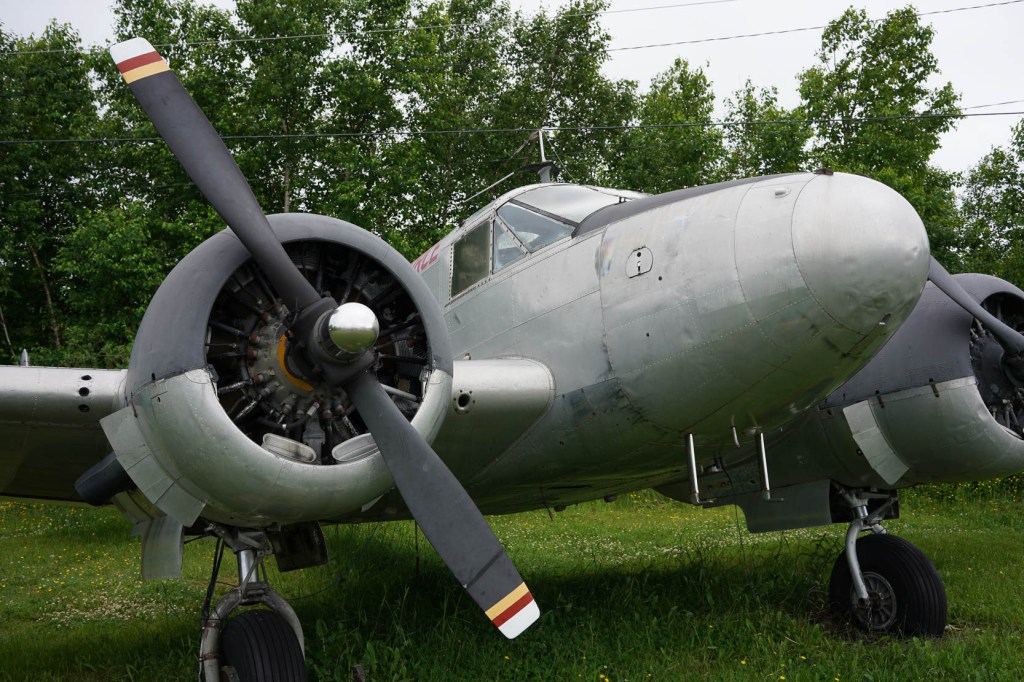
I learned this and many other facts in the excellent little museum that celebrates Gander’s role in air travel, a small building that, maybe intentionally, looks more aircraft hanger than place of culture. It’s chock full of bits of aircraft, information panels, and a couple of simulators, a line of red arrows (yes, I laughed when told to follow them; yes, I was the only one to do so) on the floor showing the best order in which to view. My head gets full in museums so I like them small and this one is perfect. It houses five impressive full-sized planes, four outside and a rare tiger moth indoors protected from the elements.

The final exhibit is a small area with a board full of letters, some typed, some handwritten, some in the untidy scrawl of children new to the art; all are giving thanks for Gander’s role in the aftermath of the World Trade Centre terrorist attack. When the US closed its airspace many planes were already over halfway across the Atlantic and unable to turn back. They needed somewhere to land and Gander, with its history of hosting large planes, was one of the few places with a runway long enough to accommodate them. Within hours thirty-seven jets had brought almost seven thousand people to a town of less than ten thousand. The call went out to Lend a hand; do what you can, and locals rallied to help, hosting strangers, providing food, beds, and other basic necessities for people stranded far from home and their loved ones. An award winning Broadway play, Come from Away, tells the story. Having been in Newfoundland for a week now, I know how welcome those people would have felt.
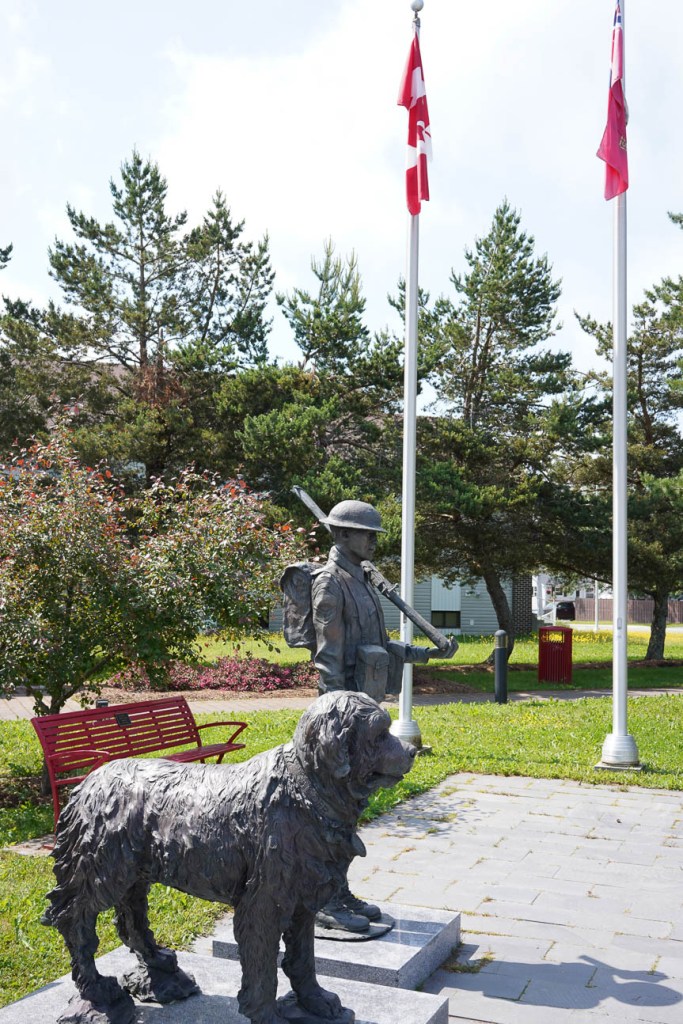
Our final stop in Gander is the nearby Heritage Memorial Park with monuments to the military aviation history of the town. A place of quiet thought and contemplation, the paths are laid out to mimic the runways of Gander Airport during WWII. A life-size statue of Sgt Gander, a Newfoundland dog who served with the Royal Rifles of Canada, stands sentinel. Sgt Gander lost his life in Hong Kong when he collected a grenade thrown by opposition forces, saving the lives of several wounded Canadian soldiers, for which he was awarded the Dickin Medal, the animal equivalent of the Victoria Cross.
 Tracy Annenberg